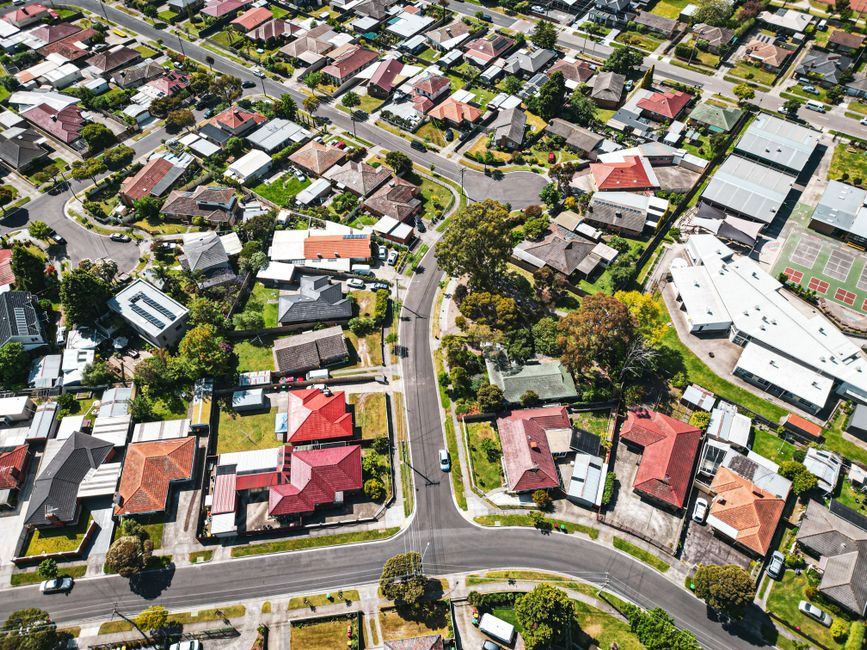
Geelong's multicultural community, built through successive waves of migration from the post-World War II Italian and Greek arrivals who came to work in the Norlane and the Corio industrial plants, through the Southeast Asian, the Indian, and the more recent African migration that the humanitarian program and the skilled migration have brought to the city, creates the cultural diversity that the Geelong community embodies in the food, the cultural festivals, and the community organisations that each of the migrant communities has established in the city that received them. The Italian and Greek heritage of the Geelong community, the most established of the migrant communities and the one whose integration into the mainstream Geelong identity has been most complete over the 70 years since the first postwar Italian arrivals began filling the manufacturing jobs that the Ford, the GMH, and the International Harvester plants were creating in the industrial north of the city, provides the foundation of the multicultural identity that the subsequent migration waves have added to.
The Italian community of Geelong, represented in the bocce clubs and the Italian cultural associations, the Italian bakeries and the pasta makers of the Belmont and the Newtown Italian neighbourhoods, and the Geelong food culture that the Italian domestic cooking tradition has influenced through the multi-generational Italian families who have shared the food culture with the broader community, sustains the Italian heritage of the city in the daily food and the community social life that the cultural presence of the established migrant community creates in the second and the third-generation descendants who maintain the cultural practices in the adapted forms that the Australian context creates for the inherited culture. The Italian community's contribution to the Geelong economic life, in the construction and the building trades, the food retail, and the hospitality businesses that the Italian entrepreneurs established, is visible in the family businesses that the Italian surnames and the Italian family histories sustain across the Geelong commercial landscape.
The South Sudanese community in Geelong, one of the most established African communities in regional Victoria outside of Melbourne, has built the community organisations, the churches, and the sports clubs that sustain the South Sudanese culture and the community connections in the Australian city that the humanitarian migration has created as the new home for the Sudanese families who fled the civil conflict. The community's basketball participation, creating the Sudanese-Australian basketball clubs and the young players who have emerged from the Geelong Sudanese community into the elite competition levels of the Australian basketball, provides the visible sporting dimension of the community's contribution to the Geelong sporting culture. The cultural community's resilience and the intergenerational dynamic between the first-generation migrants who remember Sudan and the Australian-born children who navigate the dual cultural identity creates the social development story that the Geelong community is witnessing in the cultural evolution of the new Australian families.
The Geelong Ethnic Communities Council, the umbrella body that represents the diverse migrant communities of Geelong and that provides the advocacy, the cultural support, and the multicultural festival programming that sustains the multicultural identity of the city in the civic and the cultural life that the council's programs create, provides the institutional framework that sustains the multicultural community's access to the civic processes and the cultural expression that the council's advocacy and the festival programming enable. The Pako Festa, the multicultural festival on Pakington Street in Geelong West that the council organises each February and that brings the food, the music, and the cultural performances of the Geelong multicultural community together in the street festival that draws the largest crowd of any single-day festival in the Geelong region, provides the public celebration of the cultural diversity that the council and the communities sustain as the most significant multicultural cultural event in regional Victoria.
This article was compiled by AI from the sources linked above and screened before publishing. See our editorial standards.

Spread the word
Have your say
About this article
Published by The Daily Geelong
Daily brief
Enjoyed this? Wake up to Geelong news every morning.
Free, in your inbox before 7am. Weekdays.