The National Wool Museum in Geelong's historic Brougham Street wool store, the bluestone warehouse that the colonial wool trade built in 1872 for the storage and the sorting of the Merino wool clip that the pastoral stations of western Victoria and the Geelong district produced as the economic foundation of the colonial Victoria's export income, now houses the most comprehensive collection of the Australian wool industry's history, the technology, and the cultural heritage that any museum in the country maintains for the interpretation of the industry that was described as riding on the sheep's back for the economic importance that the wool export played in the development of the nineteenth and the early twentieth century Australian pastoral economy. The museum's interpretation of the wool industry's story, from the colonial settlement of the pastoral districts and the establishment of the Merino breed in Australia through the mechanisation of the shearing and the wool processing to the contemporary fine wool market that the Australian Merino continues to supply, provides the comprehensive wool heritage narrative that the museum's collection and the interpretive programs communicate to the visitor and the school group that the museum serves as the primary national institution for the wool industry heritage education.
The bluestone wool store that the museum occupies, one of the best preserved of the colonial wool stores that the Geelong wool trade's prosperity built along the Corio Bay waterfront in the second half of the nineteenth century, provides the heritage building context that the museum uses to ground the wool heritage interpretation in the physical evidence of the industry's importance to the Geelong economy and the colonial Victoria's trade. The bluestone's permanence and the scale of the wool store, designed to accommodate the bulk storage of the baled wool that the local producers brought to Geelong for the weighing, the classing, and the auction that the wool market conducted in the sheds adjacent to the port that shipped the bales to London and the European textile mills, creates the tangible heritage experience that the museum building provides before the visitor encounters the collection and the interpretive program within.
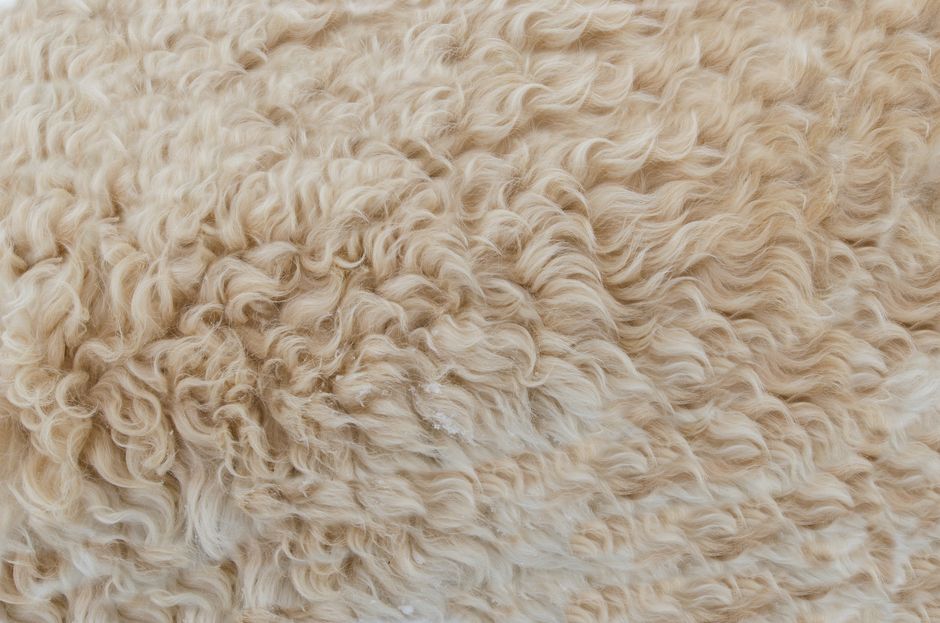
The wool classing demonstration and the shearing demonstrations that the National Wool Museum programs for the visitor who wants the living heritage encounter of the wool production skills that sustained the pastoral industry across the generations of the wool growers and the pastoral workers who managed the Merino flocks, provide the practical skills heritage that the object collection alone cannot communicate for the physical and the sensory experience of the wool handling, the fibre assessment, and the shearing technique that the demonstration creates for the visitor whose daily life has no connection to the pastoral activities that the museum preserves as the heritage of the Australian pastoral tradition. The Merino fleece displays and the fibre testing equipment that the museum uses to demonstrate the quality assessment of the wool clip create the technical understanding of the wool quality that the fine wool market values and that the Australian Merino's breed improvement programs have sustained as the fine fibre advantage that the Australian wool commands in the premium textile market.
The Geelong wool industry's role in the city's economic history, the wool merchants, the classers, and the brokers who built the Geelong business and the residential precincts whose heritage buildings still define the inner city character, sustains the connection between the wool heritage of the museum's collection and the built heritage of the Geelong cityscape that the wool income funded in the Victorian era prosperity. The wool merchant's offices and the wool broking firms whose letterheads and the business records the museum preserves as the commercial heritage of the wool trade, and the pastoral station records and the family histories that the pastoral families of western Victoria have donated to the museum for the archival heritage of the individual families whose wool growing history the museum holds in the collection that the researcher and the family historian uses for the pastoral history that the National Wool Museum's archive maintains.
This article was compiled by AI from the sources linked above and screened before publishing. See our editorial standards.
Spread the word
Have your say
About this article
Published by The Daily Geelong
Daily brief
Enjoyed this? Wake up to Geelong news every morning.
Free, in your inbox before 7am. Weekdays.