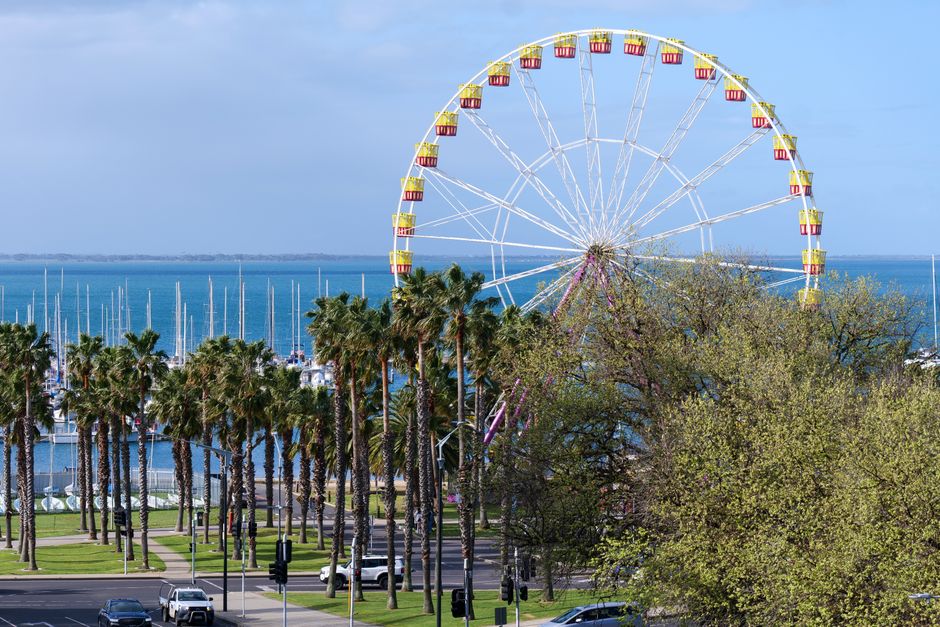
The Port of Geelong, the commercial port at the western end of Corio Bay that the Geelong Port Authority manages for the bulk liquid, the dry bulk, and the general cargo trade that the western Victoria agricultural economy, the petroleum refining operations at the former Shell Refinery, and the construction materials import create as the freight mix that the port handles for the regional economic activity that flows through the Geelong port facilities. The port's throughput, among the largest of the Victorian regional ports and the most significant freight gateway for the western Victoria region whose agricultural exports and the petroleum products import sustain the bulk of the port's freight task, reflects the industrial base of the Geelong economy and the agricultural productivity of the western Victoria hinterland that the port serves as the export gateway for the grain, the oilseed, and the mineral sands that the western Victoria primary producers direct to the Geelong port for the export container and the bulk vessel loading that the port's berths and the grain storage infrastructure accommodate.
The former Shell Geelong Refinery, the petroleum refinery at Corio Bay's northern shore that operated from 1954 to 2013 and that the Shell Australia decision to close the refinery and convert it to a fuel import terminal in 2013 transformed from the petroleum refining operation to the import and the storage terminal that the fuel distribution supply chain now uses for the petroleum products import that the refinery's closure shifted from the domestic processing to the imported refined product that the Asian refineries now supply to the Australian market. The refinery closure's impact on the Geelong employment, the loss of the 330 refinery jobs and the supply chain employment that the ongoing refinery operations had sustained, contributed to the economic transition that the Ford closure and the broader manufacturing decline have created the need for the economic diversification strategy that the post-industrial Geelong has pursued. The former refinery site's industrial heritage and the ongoing fuel import terminal operations sustain the industrial port character of the Corio Bay northern shore that the refinery development established in the postwar industrial era.
The grain export infrastructure at the Port of Geelong, the grain storage silos and the bulk loading facilities that the Grain Growers' cooperative and the bulk commodity handlers use for the export of the wheat, the barley, and the canola that the western Victoria crop belt produces in the harvest seasons that the port accommodates through the peak loading periods when the grain ships are loaded from the storage that the receival season has filled with the new crop that the rail and the road transport has delivered from the growing areas to the port's receival facilities. The grain export logistics chain, from the on-farm storage through the road and the rail transport to the port's receival and the storage facilities and the ship loading that completes the export journey to the Asian buyers whose wheat and the barley import requirements the Australian crop satisfies in the quality and the volume that the western Victoria production and the Geelong port export infrastructure sustain, creates the agricultural trade that the port's grain facilities handle as the most significant single commodity in the Geelong port's freight task.
The Geelong port's future, in the context of the port privatisation that the Victorian Government has implemented through the long-term lease of the port operations to the private operator and the competing development pressures that the port land's waterfront location and the urban development potential create for the long-term planning of the port and the adjacent industrial precincts, balances the ongoing industrial port function that the Geelong economy and the western Victoria trade require against the urban development opportunity that the strategic waterfront location creates. The port's industrial future, sustaining the freight task that the regional economy generates for the port while adapting to the changing freight mix and the technology that the port operations require in the contemporary logistics environment, is the industrial development challenge that the port operator and the planning authorities manage in the context of the Geelong city centre's urban renewal and the waterfront development that the market and the community are directing toward the non-industrial uses that the port's historic industrial edge is transitioning away from.
This article was compiled by AI from the sources linked above and screened before publishing. See our editorial standards.
Spread the word
Have your say
About this article
Published by The Daily Geelong
Daily brief
Enjoyed this? Wake up to Geelong news every morning.
Free, in your inbox before 7am. Weekdays.