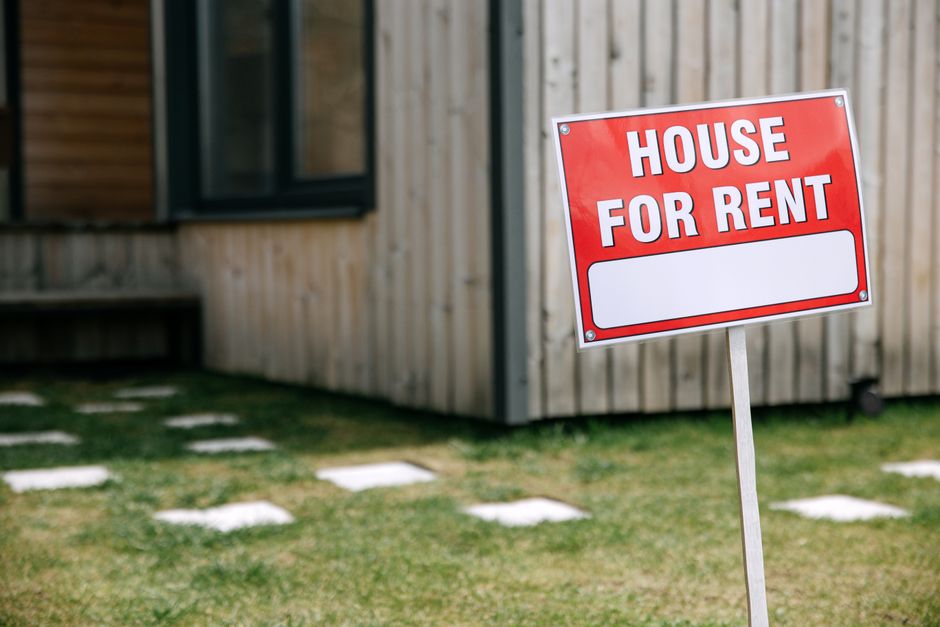
For Geelong renters, the choice between saving for a deposit and paying weekly rent has become increasingly untenable. New affordability research reveals that tenants in suburbs like Bellerine, Newtown and Geelong West are facing a $200,000 affordability shortfall compared to their peers who locked in mortgages five years ago.
The mathematics are stark. A three-bedroom home in established Geelong suburbs now averages $620,000–$680,000, requiring a 20 per cent deposit of $124,000–$136,000 before stamp duty. Meanwhile, rental costs in the same areas hover around $380–$420 per week, consuming up to 40 per cent of median household income for many working families.
"For a dual-income household earning $120,000 combined, saving that deposit while meeting rental obligations leaves almost nothing left over," explains local property analyst. "By the time they've accumulated enough capital, prices have often risen by another $80,000–$100,000."
The timing squeeze is particularly acute in growth corridors like Armstrong Creek, where new estates promise affordable entry points. Display homes start around $550,000, but hidden costs—land premium, building levies, and infrastructure charges—routinely push final prices toward $650,000. For renters, these outer suburbs represent hope; for those already locked into long-term leases in central Geelong, they represent an unreachable finish line.
Interest rate cycles have compounded the problem. Five years ago, when rates sat near historic lows, prospective buyers could service larger mortgages on modest incomes. Today's elevated rates mean that same property costs an extra $150–$200 per month to borrow, pricing marginal buyers out entirely.
The rental-to-ownership pipeline is showing signs of strain. Local real estate agents report fewer first-time buyer inquiries in traditional entry-level suburbs like Manifold Heights and Bell Post Hill, while investor activity remains robust—suggesting wealth concentration is accelerating.
Some relief appears on the horizon. Increased supply in Armstrong Creek and neighbouring Winchelsea could moderate price growth by 2027–2028. State government incentives for first-home buyers, including removal of stamp duty in some circumstances, provide modest assistance. But for current renters locked into the cycle, these solutions feel distant.
The affordability question now shaping Geelong's future is uncomfortable: will the next generation of workers rent indefinitely, or will they be forced to look beyond the Surf Coast to less connected regions where ownership remains achievable?
This article was compiled by AI from the sources linked above and screened before publishing. See our editorial standards.
Spread the word
Have your say
Sources
About this article
Published by The Daily Geelong
Daily brief
Enjoyed this? Wake up to Geelong news every morning.
Free, in your inbox before 7am. Weekdays.