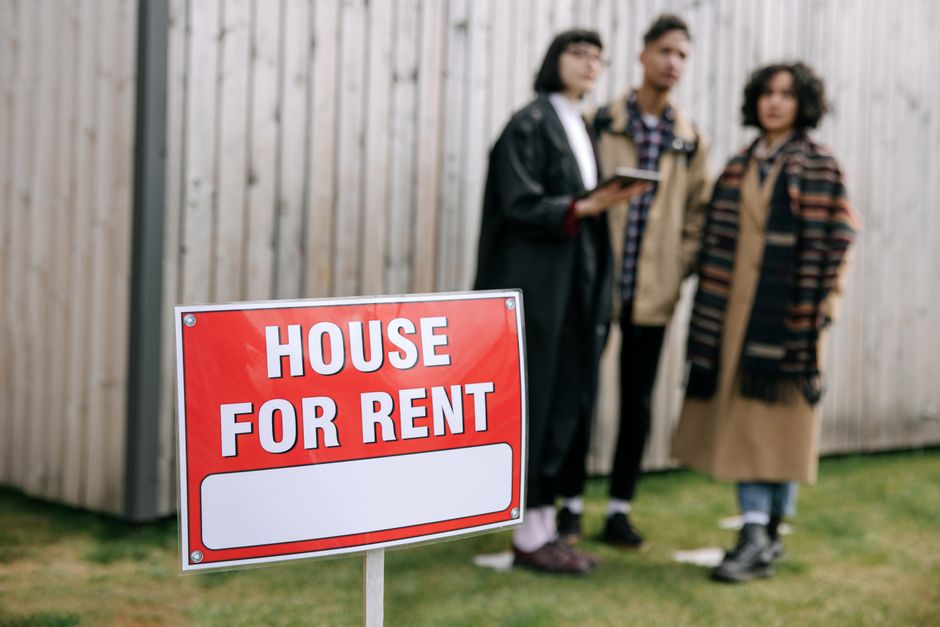
Renting in Geelong in 2026 is increasingly competitive, and understanding the cost landscape is the first step for prospective tenants. For a one-bedroom unit or apartment in a well-located area such as the Geelong CBD, Newtown or South Geelong, median weekly rents sit between $340 and $390 per week. Two-bedroom units and townhouses are typically achieving $420 to $480 per week in inner and middle-ring suburbs, while three-bedroom houses range from $460 to $560 per week depending on condition, location and proximity to schools or the waterfront. In outer suburbs such as Corio, Norlane and Lara, three-bedroom houses can still be found for $380 to $440 per week, representing the most affordable end of the Geelong rental market for families. Renters should expect competition for well-priced properties, with many listings receiving multiple applications within the first 48 hours of being listed on Domain or realestate.com.au.
Victoria has some of Australia's strongest tenant protections, and Geelong renters are entitled to these rights under the Residential Tenancies Act 1997 as comprehensively amended in 2021. Landlords in Victoria cannot refuse to rent to someone with a pet without a reasonable ground, and tenants are now permitted to make minor modifications such as picture hooks, child safety fittings and LED lighting without landlord consent. Rent increases are limited to once every 12 months and must be supported by the landlord providing notice of at least 60 days. Tenants also have the right to request urgent repairs to be completed within 14 days and can arrange repairs themselves and claim reasonable costs back from the landlord if the landlord fails to act. The Victorian Civil and Administrative Tribunal (VCAT) handles disputes between landlords and tenants, and applications can be made online. Tenants who believe their rights have been breached should first document the issue in writing and give the landlord an opportunity to respond before escalating to VCAT.
Winning a rental application in Geelong's tight market requires preparation and presentation. Prospective tenants should have a complete application ready before attending inspections, including 100 points of identification, two to three recent payslips or proof of income, references from previous landlords or employers, and a rental history showing on-time payments. Using a service like 1Form or the agency's own portal to submit promptly after an inspection signals genuine interest. Writing a brief personal cover letter explaining your situation, occupation and why you are a reliable tenant can differentiate you in a stack of identical applications. Offering to start the lease promptly and demonstrating flexibility on lease terms can also be advantageous when competition is fierce. Tenants relocating from interstate or overseas may need to provide additional identity documentation and may benefit from offering a virtual inspection of their current rental as proof of how they maintain a property.
The Geelong rental market outlook for tenants through the remainder of 2026 remains challenging but not without hope. New apartment supply in the Geelong CBD and surrounds has been limited by construction cost pressures and planning delays, which will keep vacancy rates low in the near term. However, some relief may come from a modest increase in investor activity as interest rates stabilise, with more investors purchasing rental properties. Tenants who are in stable employment and have a good rental history are in the strongest position to secure properties quickly. Renters should also be aware of bond requirements: Victorian law caps the rental bond at one month's rent for properties with weekly rent up to $900, and two months' rent for properties above that threshold. The Residential Tenancies Bond Authority holds all bonds in Victoria, providing security for tenants that their bond will be properly managed and returned promptly upon a satisfactory end of tenancy.
This article was compiled by AI from the sources linked above and screened before publishing. See our editorial standards.
Spread the word
Have your say
About this article
Published by The Daily Geelong
Daily brief
Enjoyed this? Wake up to Geelong news every morning.
Free, in your inbox before 7am. Weekdays.