Listen to this article · 3:44
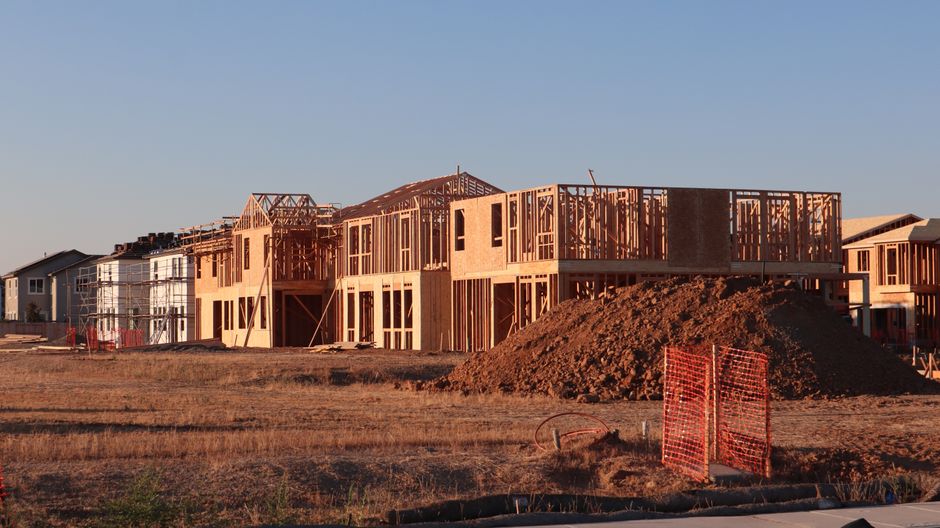
Geelong's property market is booming. With the Victorian median hovering near $680,000 and Melbourne's commuter belt extending further west, developers have zeroed in on the region as a goldmine. Yet behind every new estate approval lies a growing fault line: fierce community pushback against projects seen as overdevelopment.
The tension came to a head this month when a 200-lot residential subdivision near Corio was met with a petition signed by 1,200 locals. Their complaint: inadequate schools, already-congested roads around Pakington Street, and the loss of bushland. Similar resistance erupted last year over a mixed-use tower proposed for Moorabool Street, the heart of Geelong's CBD renewal push.
"We're not against growth," says Sandra Liu, spokesperson for the Newtown & Bellerine Residents Group. "But we need it planned properly. Our GP is already overbooked, and water pressure drops every summer. Where's the infrastructure?"
Developers and planners tell a different story. Geelong's population is projected to grow 25 per cent by 2050, and housing supply is critically tight. A three-bedroom weatherboard in Manifold Heights now averages $580,000—up 18 per cent in two years. "Without new supply, young families get priced out entirely," says Michael Chen, director of a Melbourne-based development firm active in Armstrong Creek. "Opposition often comes from existing homeowners protecting their property values, not genuine infrastructure concerns."
There's truth on both sides. Council records show Geelong lacks sufficient secondary school places, and water capacity studies flagged constraints. Yet vacancy rates remain below 2 per cent across suburbs from Bellerine to Corio, and rental prices have climbed 12 per cent annually. Turning down housing projects won't solve either problem.
The real friction isn't opposition itself—it's process. Critics of recent decisions point to the State Significant Projects pathway, which bypasses local consultation for major builds. The CBD tower, ultimately approved, never faced a formal community vote. Residents feel sidelined; developers argue delays kill viability.
The Surf Coast lifestyle market and Armstrong Creek's master-planned growth remain relatively less contentious, partly because they're newer precincts with fewer established voices. But as Geelong matures as a genuine second city, the old model—build first, consult later—is breaking down.
The path forward likely requires genuine co-design: developers committing to infrastructure contributions upfront, councils fast-tracking approvals in exchange, and residents accepting that growth, managed well, needn't mean loss of character. Without it, Geelong's boom risks becoming a battle ground.
This article was compiled by AI from the sources linked above and screened before publishing. See our editorial standards.
Spread the word
Have your say
About this article
Published by The Daily Geelong
Daily brief
Enjoyed this? Wake up to Geelong news every morning.
Free, in your inbox before 7am. Weekdays.