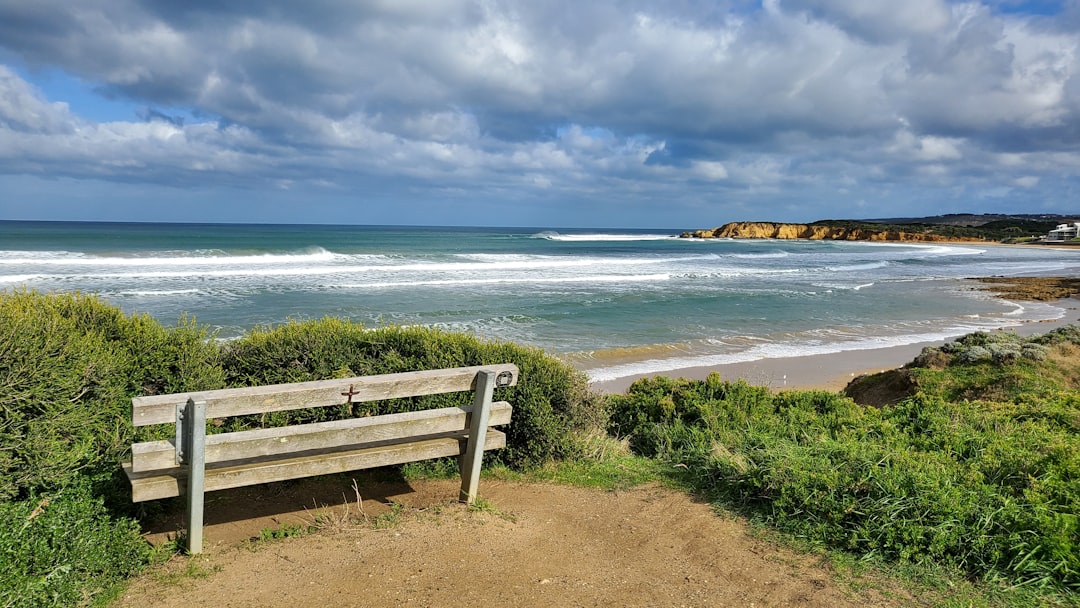
Torquay, the coastal town 20 kilometres southeast of Geelong at the head of the Great Ocean Road and the beginning of the Surf Coast that stretches south to Fairhaven and Anglesea, is the birthplace of the Australian surf industry and the location where Rip Curl and Quiksilver, the two global surf brands that grew from the Torquay surf community's demand for wetsuits and boardshorts in the 1960s and 1970s, established the manufacturing and the retail operations that have grown into the multinational surf brands whose headquarters remain in Torquay as the symbolic connection to the surfing origin story that the brands' marketing perpetuates. The surf industry's concentration in Torquay, the factory outlet stores that line Surf Coast Highway and the brand headquarters that sustain the surf industry employment in the town, creates the surf industry tourism that the visitor who wants to buy the surf brands at the source uses Torquay as the destination for the surf shopping that the factory outlet prices and the brand presence sustain as the retail tourism complement to the surfing and the Great Ocean Road tourism.
Bells Beach, the iconic surf break four kilometres south of Torquay that the Rip Curl Pro surfing competition has used as the venue for the world's longest-running professional surfing event since 1973, provides the surfing pilgrimage destination that the surfing history and the contest heritage create for the surf community worldwide. The break's character, the powerful reef break that produces the long-walling right-hander that the professional surfing contest rewards for the sustained carving and the critical surfing in the powerful surf that the open Southern Ocean swell creates at Bells, is known to the surfing community internationally through the decades of contest footage and the surf films that have featured the break in the defining images of the Australian surfing culture.
The Surf Coast Walk, the multi-day walking trail from Torquay to Fairhaven and beyond that the Victorian Government has developed along the Surf Coast's spectacular clifftop and coastal path, provides the land-based alternative to the surfing and the Great Ocean Road driving that the Surf Coast offers to the visitor who wants the active outdoor experience of the coast without the surf skills that the powerful Surf Coast breaks demand. The trail's clifftop views of the surf breaks and the heathland coastal vegetation that the Surf Coast Shire has protected from the residential development pressure that the proximity to Geelong and the lifestyle appeal of the Surf Coast creates provide the coastal walking experience that the trail visitors use as the immersive nature experience that the Surf Coast's scenic quality delivers.
The Surf World Museum in Torquay, the museum of Australian surfing history that documents the evolution of the surfboard technology, the wetsuit development, and the competitive surfing history that the Torquay surf community has been at the centre of since the 1960s, provides the cultural heritage interpretation of the surf industry origin that the Torquay visitor uses to understand the significance of the town in the global surf culture that the Rip Curl and the Quiksilver founding in Torquay created. The museum's collection, including the vintage surfboards, the early wetsuit prototypes, and the contest memorabilia that the decades of professional surfing at Bells Beach created, sustains the surf heritage of Torquay as a community and a tourism asset that the museum preserves for the future generations who will inherit the surf culture that the founding generation created.
This article was compiled by AI from the sources linked above and screened before publishing. See our editorial standards.
Spread the word
Have your say
About this article
Published by The Daily Geelong
Daily brief
Enjoyed this? Wake up to Geelong news every morning.
Free, in your inbox before 7am. Weekdays.