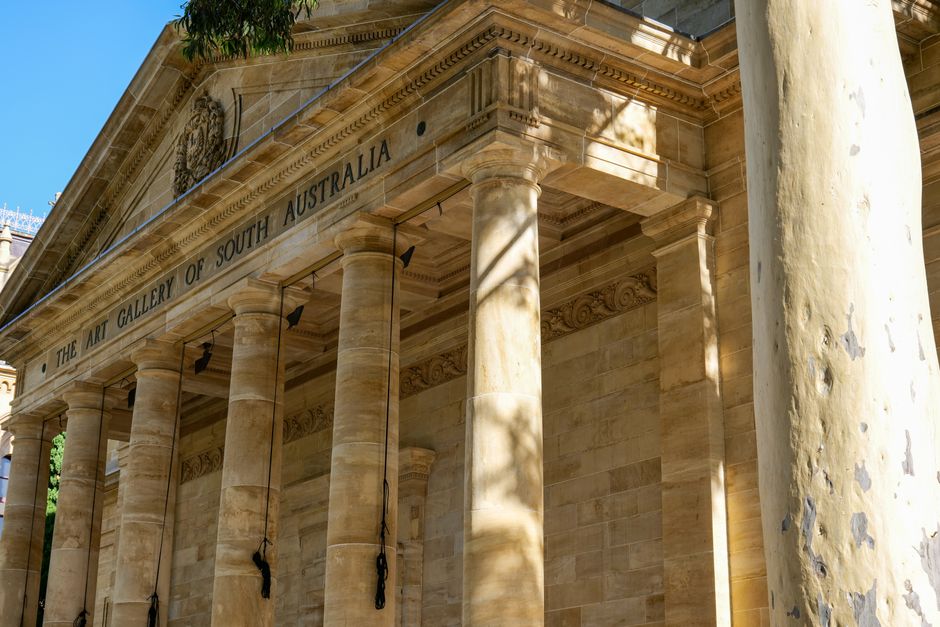
The National Wool Museum, occupying one of the heritage bluestone wool stores that lined the Geelong waterfront during the city's wool trading era, provides the most comprehensive account of Australia's wool industry in any museum in the country. The museum's collection of shearing equipment, pastoral heritage objects, the Merino wool fibre displays, and the recreated shearing shed environment provides the interpretive context for understanding the industry whose economic importance to Australia's colonial and post-federation development is difficult to overstate, and whose connection to Geelong is the most direct of any major Australian city.
The Wool Museum's building, the 1872 Dennys Lascelles wool store, is one of the finest surviving examples of the Victorian-era bluestone wool stores that characterised the Geelong waterfront during the city's wool trading peak. The building's six levels of timber floors, supported by cast iron columns in the characteristic construction method of the period's warehouses, provide the heritage fabric that the museum inhabits and interprets as part of the story it tells about the industry the building served.
The annual Wool Week events that the museum organises, celebrating the wool industry's heritage and the contemporary wool fashion and textile applications that Australian designers continue to develop, provide the annual moment when the wool community's history and present are celebrated in the city that was the commercial hub of the colonial pastoral economy. The events' combination of the heritage acknowledgement and the contemporary fashion and design application demonstrates the wool industry's ongoing relevance beyond its agricultural production dimension.
The connection between the Wool Museum and the Great Ocean Road wool growing heritage, with the sheep stations and the pastoral history of the Western District that supplied the Geelong wool stores providing the story that the museum tells from its urban commercial end, creates the complete narrative of the wool industry from the Merino on the Monaro or the Wimmera to the auction floor and the export ship that carried the bales to the northern hemisphere mills.
This article was compiled by AI from the sources linked above and screened before publishing. See our editorial standards.

Spread the word
Have your say
About this article
Published by The Daily Geelong
Daily brief
Enjoyed this? Wake up to Geelong news every morning.
Free, in your inbox before 7am. Weekdays.