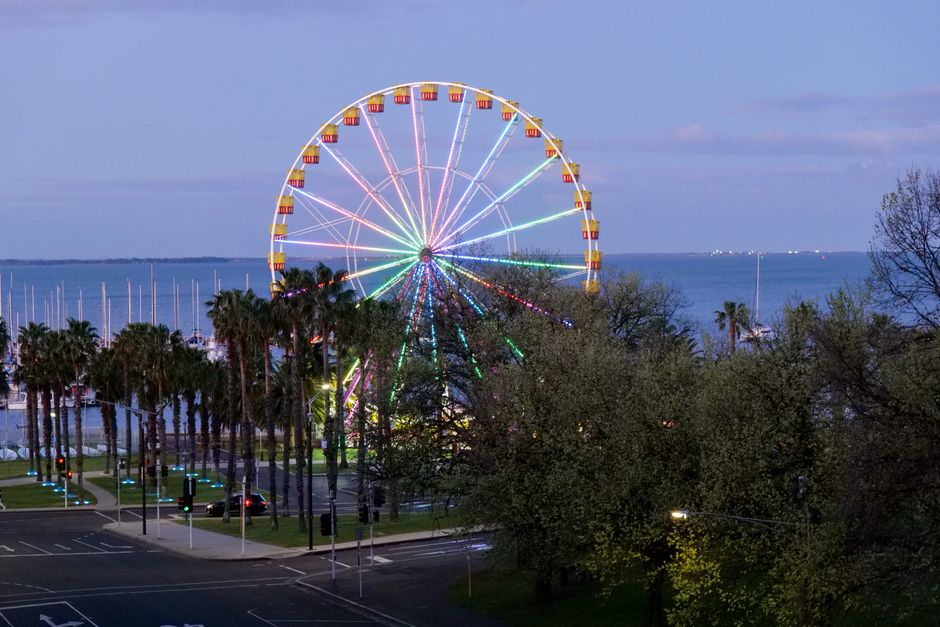
Geelong's vibrant lifestyle scene has attracted thousands of new residents in recent years, but before you pack your bags, understanding the true cost of living and neighbourhood access is essential. We've broken down what you need to know across the city's most popular areas.
Housing Reality Check
Median house prices in Geelong's sought-after inner suburbs have climbed significantly. Newtown and Bellerine Street precincts command premium rates—typically $650,000 to $850,000 for a three-bedroom home—reflecting their proximity to cafés, galleries and the waterfront. If you're budget-conscious, outer suburbs like Norlane and Hamlyn Heights offer more accessible entry points around $450,000 to $550,000, though you'll trade walkability for affordability.
Transport and Connectivity
The V/Line train service connects Geelong to Melbourne's CBD in roughly 50 minutes, making it viable for commuters. However, local bus routes operated by Geelong Transit can be sparse in outer areas. Most residents recommend a car for weekday errands, though the city centre—particularly around Malop Street and the Geelong Library precinct—remains walkable and bike-friendly.
Neighbourhood Breakdown
Barwon Heads and Bellerine attract families seeking coastal lifestyle; expect boutique dining and weekend crowds. South Geelong offers quieter residential streets with good school access. The Eastern Beach foreshore district thrives on tourism dollars—accommodation, hospitality and retail dominate, making it pricier for residents. The Arts Precinct around Pakington Street draws creatives with independent venues, second-hand bookshops and affordable apartments ($1,400–$1,800 monthly rent for a one-bedroom).
Essential Services and Recreation
Geelong Library and Heritage Centre (free entry) anchors the cultural landscape. Sports facilities including the Geelong Regional Aquatic Centre cost around $45 per month for casual membership. Groceries at Coles and Woolworths average 8–12% higher than Melbourne CBD due to freight costs. Dining varies wildly—casual meals run $18–$25, while fine dining along the waterfront reaches $80–$120 per head.
Community and Lifestyle
The Geelong Community Foundation and local neighbourhood houses provide free orientation and social connection. School catchments matter significantly—popular public schools like Geelong Grammar and Bell Post Hill Secondary attract families and influence rental demand. Volunteer opportunities through Geelong Volunteer Resource Centre help newcomers integrate quickly.
The Bottom Line
Budget $2,200–$3,000 monthly for a modest lifestyle in central Geelong, including rent, utilities, groceries and transport. Inner suburbs offer walkability and cultural amenities but demand premium prices. Outer areas provide affordability but require transport investment. Before committing, visit multiple neighbourhoods on weekdays and weekends—Geelong's personality shifts dramatically with the seasons and time of day.
This article was compiled by AI from the sources linked above and screened before publishing. See our editorial standards.

Spread the word
Have your say
About this article
Published by The Daily Geelong
Daily brief
Enjoyed this? Wake up to Geelong news every morning.
Free, in your inbox before 7am. Weekdays.