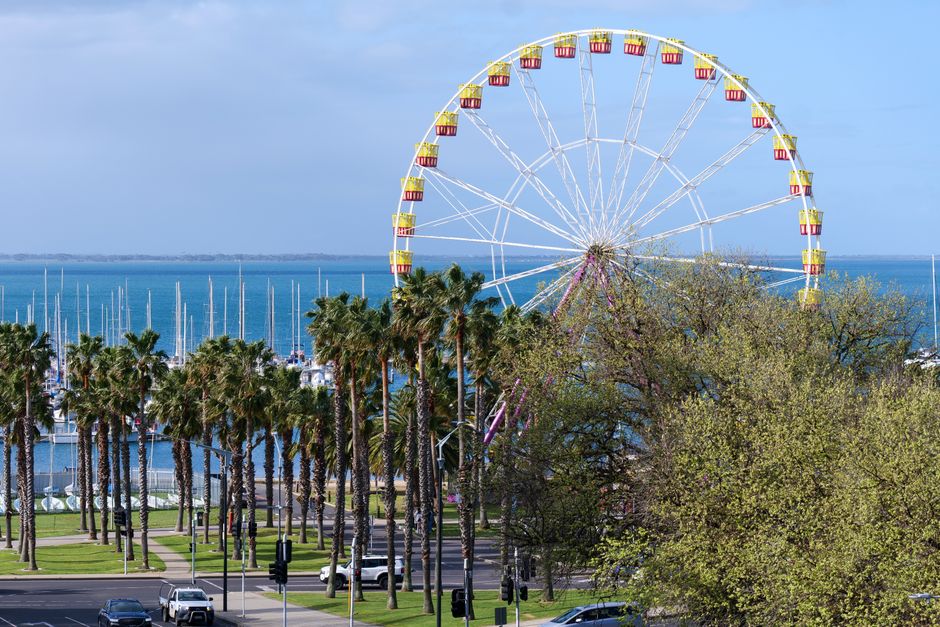
Five years ago, a weekend stroll along the Geelong Waterfront meant navigating industrial infrastructure and heritage-gazing. Today, it's a fundamentally different experience—one that reflects broader shifts in how Australians want to spend their leisure time.
The transformation is nowhere more visible than along the Eastern Beach promenade and into the newly activated Cunningham Pier precinct. What was once primarily photo-opportunity terrain has evolved into a genuinely functional recreational hub. The Geelong Waterfront Authority's recent $45 million investment has introduced dedicated cycling lanes, expanded dining precincts with year-round activation, and—critically—flexible event spaces that host everything from weekend markets to outdoor cinema screenings.
"We're seeing a 40 per cent increase in weekend visitation compared to 2023," according to local hospitality data, with visitors now spending an average of 3.2 hours in the precinct versus 1.5 hours previously. That shift reflects intentional design: the removal of barriers between water and public space, the introduction of family-friendly infrastructure beyond playgrounds, and crucially, affordable programming that doesn't require expensive tickets.
The Geelong Arts Centre's expansion into pop-up outdoor galleries along Beach Street has been particularly significant. Rather than treating the waterfront as merely a backdrop for the city's cultural offerings, venues are now bringing experiences to where people naturally congregate. Weekend tai chi sessions, community art installations, and live music performances create what planners call "incidental culture"—discovery without formal ticketing.
Local entrepreneurs have noticed too. Independent cafés and wine bars have proliferated along Gheringhap Street's eastern extension, with at least eight new venues launching in the past 18 months. These aren't chain operations but owner-operated spaces betting on weekend foot traffic. Average meal prices hover around $28-35 for mains, positioning the precinct as accessible rather than premium.
The shift reflects broader demographic changes. Geelong's population has grown by 12 per cent since 2020, with younger families increasingly choosing the city over Melbourne's outer sprawl. They're seeking walkable neighbourhoods with integrated leisure, dining, and cultural options—precisely what the waterfront now offers.
Yet the evolution hasn't erased the precinct's maritime identity. The National Wool Museum and Geelong Maritime Centre remain anchors, now positioned within a lifestyle ecosystem rather than as isolated attractions. Heritage and modernity coexist: you can visit the restored Barwon Heads lighthouse and then grab a craft coffee at one of the dozen new specialty roasters nearby.
For weekend planners, the waterfront now functions less as a destination and more as a day-long experience—part cultural engagement, part social gathering, part dining exploration. That fluidity, more than any single development, signals how profoundly Geelong's leisure landscape has shifted.
This article was compiled by AI from the sources linked above and screened before publishing. See our editorial standards.

Spread the word
Have your say
About this article
Published by The Daily Geelong
Daily brief
Enjoyed this? Wake up to Geelong news every morning.
Free, in your inbox before 7am. Weekdays.