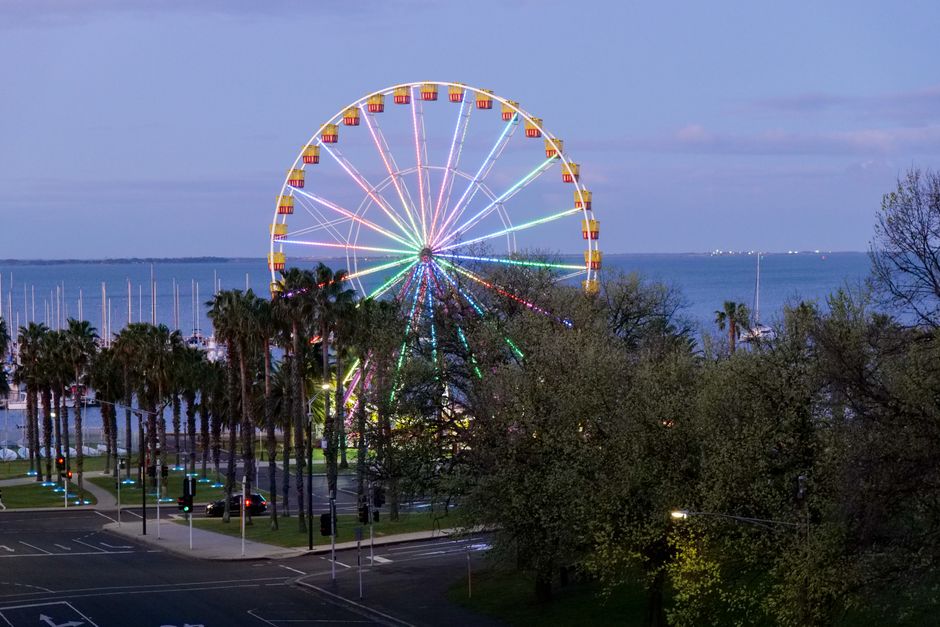
Walk along the Geelong Waterfront precinct on any given afternoon, and you'll witness something increasingly rare in major global cities: thousands of residents actively using public green space within metres of their CBD. This isn't accident. It's the product of deliberate urban planning that has positioned Geelong distinctly ahead of peers like Adelaide, Brisbane, and comparable mid-sized cities internationally.
The Eastern Beach foreshore alone attracts over 2 million visitors annually, according to Geelong City Council data. Yet unlike comparable waterfront developments in Melbourne or Sydney, the precinct maintains an unhurried, genuinely accessible character. There's no premium pricing gatekeeping the best views. The 1.8-kilometre Esplanade remains free, open, and genuinely integrated with surrounding neighbourhoods rather than cordoned off as luxury real estate.
What truly distinguishes Geelong's offering, however, is the proximity principle. Residents in Newtown, Manifold Heights, and East Geelong enjoy direct access to significant natural reserves within walking distance—a rarity in comparable cities. The Cunningham Picnic Ground and You Yangs Regional Park sit just 20 kilometres west, accessible via public transport. This creates what urban planners call 'distributed green infrastructure,' preventing the concentration of outdoor amenity that plagues cities like Vancouver or Auckland, where access inequality mirrors housing inequality.
Botanic Gardens Reserve represents another strategic advantage. At 20 hectares, it's proportionally larger than comparable urban gardens in cities of similar size, and critically, it's genuinely botanical rather than ornamental—a working research space that educates alongside recreation. The Geelong Tree Society's recent survey identified over 800 species across council-managed parks, positioning the city's biodiversity comparable to cities three times its size.
The dollar argument is equally compelling. Annual parks maintenance spending in Geelong runs approximately $12 million across 2,000+ hectares of public open space. Per capita, this represents significantly greater investment than comparable Australian cities, yet the demographic spread—from young families in Bellerine to retirees in Manifold Heights—ensures equitable distribution.
Perhaps most distinctively, Geelong has resisted the globalised homogenisation that characterises urban parks worldwide. While cities from Toronto to Copenhagen increasingly feature identical sculptural installations and Instagram-optimised plantings, Geelong's spaces retain regional character. The volcanic geology visible in the You Yangs, the indigenous plant collections reflecting Western Victoria's native ecology, the heritage listed structures throughout the Gardens Reserve—these create authenticity that premium-priced urban parks cannot replicate.
In an era when global cities increasingly compete for amenity prestige, Geelong's competitive advantage lies precisely in refusing that competition. Its parks aren't destinations; they're lived spaces. That distinction, increasingly, is what makes them globally exceptional.
This article was compiled by AI from the sources linked above and screened before publishing. See our editorial standards.
Spread the word
Have your say
About this article
Published by The Daily Geelong
Daily brief
Enjoyed this? Wake up to Geelong news every morning.
Free, in your inbox before 7am. Weekdays.