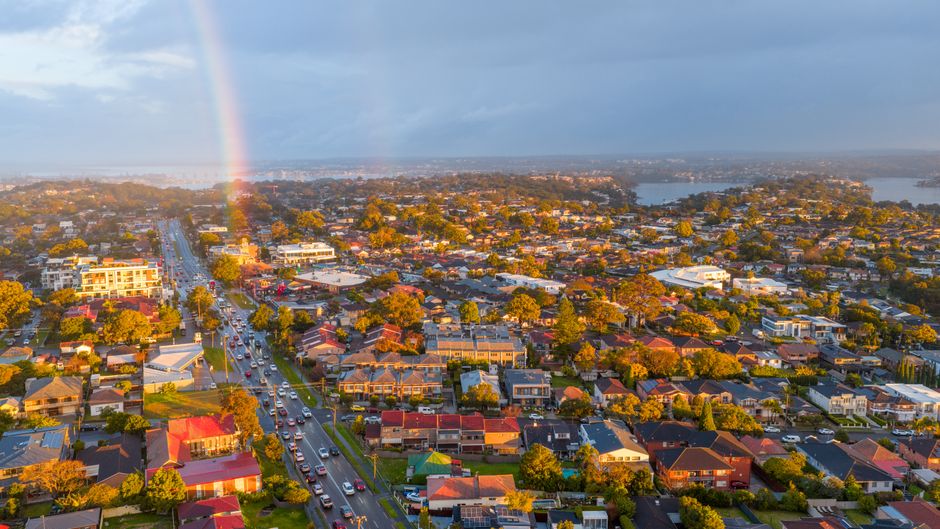
Geelong has been described as Melbourne's satellite for so long that the label has stopped being accurate. The city of 280,000 has its own economy anchored in health, education, construction, defence and a growing technology sector. The closure of the Ford factory in 2016 forced a reinvention that has largely succeeded.
Why Geelong
The waterfront, the proximity to the Bellarine Peninsula and the Surf Coast, and the house prices roughly half of Melbourne's inner suburbs are the main draw. Melbourne is an hour away by car or V/Line train, making Geelong viable for full-time Melbourne commuters with generous tolerance for travel, and excellent for hybrid workers.
Choosing a suburb
The Geelong CBD and waterfront are the commercial and dining core. Newtown is the prestige inner suburb. Belmont and Highton are established family suburbs with good schools. The Surf Coast — Torquay, Jan Juc, Anglesea — is under an hour away and drives significant lifestyle migration. Ocean Grove and Barwon Heads on the Bellarine are the alternative beach option.
Cost of living
Geelong is significantly more affordable than Melbourne. Inner suburb prices have risen but remain well below equivalent Melbourne addresses. The Bellarine and Surf Coast add a premium for lifestyle. V/Line commuter fares to Melbourne are a real cost consideration for daily commuters.
Jobs
Barwon Health, Deakin University, Ford's successor Geelong economy (now including CSIRO's battery and future materials research) and the Port of Geelong are key employers. The professional services sector has grown alongside population. Construction is active across new development areas.
This article was compiled by AI from the sources linked above and screened before publishing. See our editorial standards.
Spread the word
Have your say
About this article
Published by The Daily Geelong
Daily brief
Enjoyed this? Wake up to Geelong news every morning.
Free, in your inbox before 7am. Weekdays.