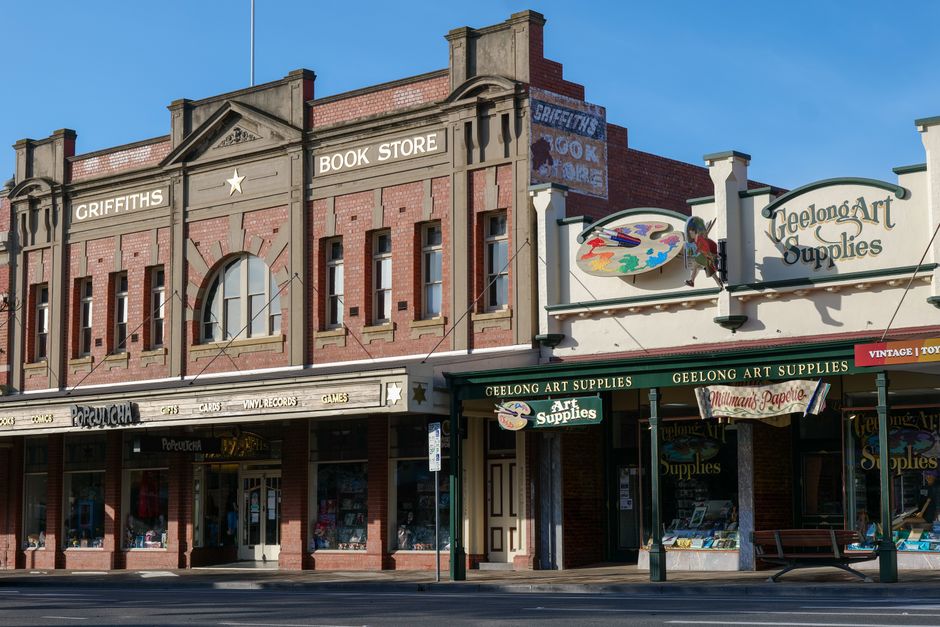
A decade ago, Geelong's skyline told a familiar story: heavy industry, manufacturing dominance, and air quality that ranked among Victoria's worst. The Ford manufacturing plant's closure in 2017 had left thousands jobless, but it also left the city at a crossroads that would ultimately define its environmental trajectory.
The turning point came incrementally. In 2018, the Geelong City Council adopted its first comprehensive climate action plan, committing to net-zero emissions by 2050—a target that seemed distant then but increasingly urgent now. By 2022, the Eastern Beach precinct had become a test case for sustainable urban design, with new residential projects along Eastern Beach Road incorporating solar panels and rainwater harvesting as standard features rather than luxury additions.
Local organisations proved instrumental. Barwon Sustainability Collective, established in 2019 with support from Deakin University's campus in Waurn Ponds, began mapping Geelong's carbon footprint block by block. Their 2023 report revealed that transport emissions accounted for 34 per cent of the city's total, spurring investment in the Geelong Fast Track tram upgrade—now under construction along Gheringhap Street.
The financial reality crystallised around 2024. Flooding along the Barwon River—exacerbated by increasingly severe weather patterns—caused an estimated $47 million in damage to commercial and residential properties in South Geelong. Insurance premiums in flood-prone areas spiked dramatically. Suddenly, sustainability wasn't ideological; it was economic survival.
Manufacturing's decline, while painful, created space for reinvention. By 2025, the Deakin Waterfront Campus had attracted clean-tech startups, and the former industrial precincts around North Geelong were being reimagined as mixed-use green spaces. The Port of Geelong announced its transition plan away from fossil fuel handling, recognising that global shipping standards were shifting regardless.
Community participation accelerated the shift. Neighbourhood initiatives flourished—from the Bellerine Street community garden to resident-led native replanting projects in Newtown. Local schools, particularly those in the Geelong region, began integrating climate education into curricula in earnest after 2023.
Today, as we face a world where environmental pressure is constant and irreversible climate impacts loom, Geelong's journey reflects a broader truth: cities don't choose sustainability for idealism alone. They adopt it because economic necessity, regulatory pressure, and community demand converge. For Geelong, that convergence arrived between 2018 and 2025—the decade when an industrial city realised it had no choice but to transform.
This article was compiled by AI from the sources linked above and screened before publishing. See our editorial standards.
Spread the word
Have your say
About this article
Published by The Daily Geelong
Daily brief
Enjoyed this? Wake up to Geelong news every morning.
Free, in your inbox before 7am. Weekdays.