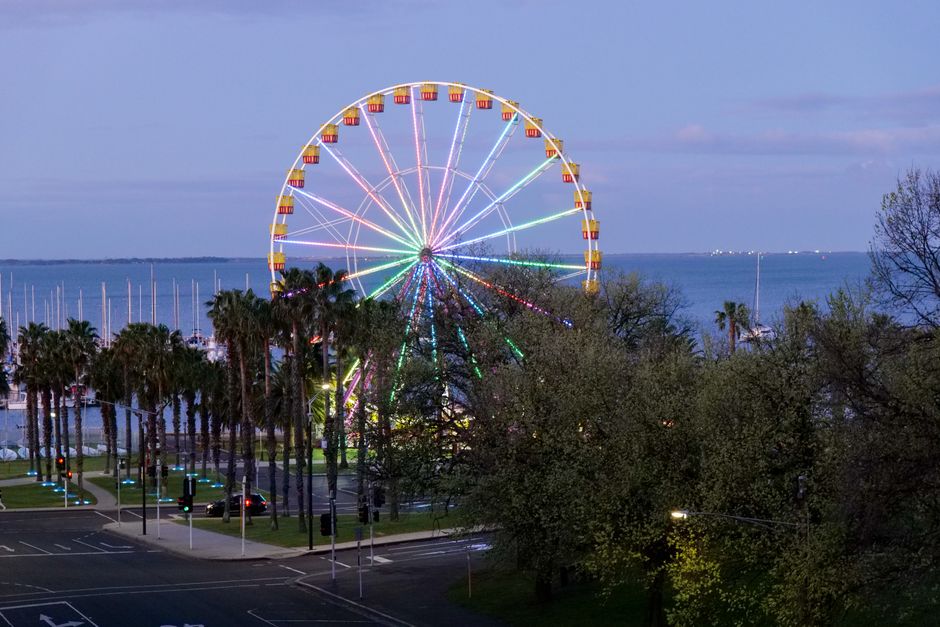
The next twelve months will prove pivotal for Geelong's transformation. With the Barwon River waterfront project entering its second phase and the central business district still adjusting to recent retail changes, community leaders are grappling with fundamental questions about which neighbourhoods should benefit most from planned investment.
The council's Infrastructure and Planning Committee is set to review the staged approach to upgrading public spaces along the river corridor—from Johnstone Park through to the Eastern Beach precinct. Initial estimates suggest $45 million in funding across three stages, though budget constraints mean not every neighbourhood can proceed simultaneously.
"This is about choosing our priorities," said a spokesperson for the Geelong Chamber of Commerce, reflecting concerns echoed across the community. The debate pits competing interests: should investment focus on the lower Barwon near Eastern Beach, where tourism potential is highest, or prioritise inner-city spaces like the Gheringhap Street precinct, where local residents depend most heavily on accessible public amenities?
Meanwhile, the Kardinia Park precinct faces its own crossroads. The $380 million mixed-use development—combining residential, retail and cultural spaces—remains subject to final planning approvals expected within weeks. Decisions about public transport connections and parking provisions will determine whether the project genuinely improves liveability or exacerbates congestion on already-strained roads.
For residential neighbourhoods like Newtown and South Geelong, gentrification pressures loom. Property values have climbed 18 percent since 2023, according to recent market data, raising questions about affordable housing commitments. Community groups are preparing submissions on whether future developments should include mandatory affordable units.
The Geelong Performing Arts Centre's expansion plans also await final council approval. The decision to proceed—or scale back—will affect cultural programming capacity and employment opportunities in the arts sector.
These are not distant bureaucratic decisions. They will determine whether Geelong's renaissance remains concentrated in visible precincts or genuinely enriches everyday life across all neighbourhoods. They'll shape whether young families can afford to stay, whether local businesses thrive, and whether the city becomes more or less equitable.
The coming months demand serious community engagement. Council meetings, community forums, and local submissions will be crucial. Geelong residents must decide: what city do we actually want to build?
This article was compiled by AI from the sources linked above and screened before publishing. See our editorial standards.
Spread the word
Have your say
About this article
Published by The Daily Geelong
Daily brief
Enjoyed this? Wake up to Geelong news every morning.
Free, in your inbox before 7am. Weekdays.