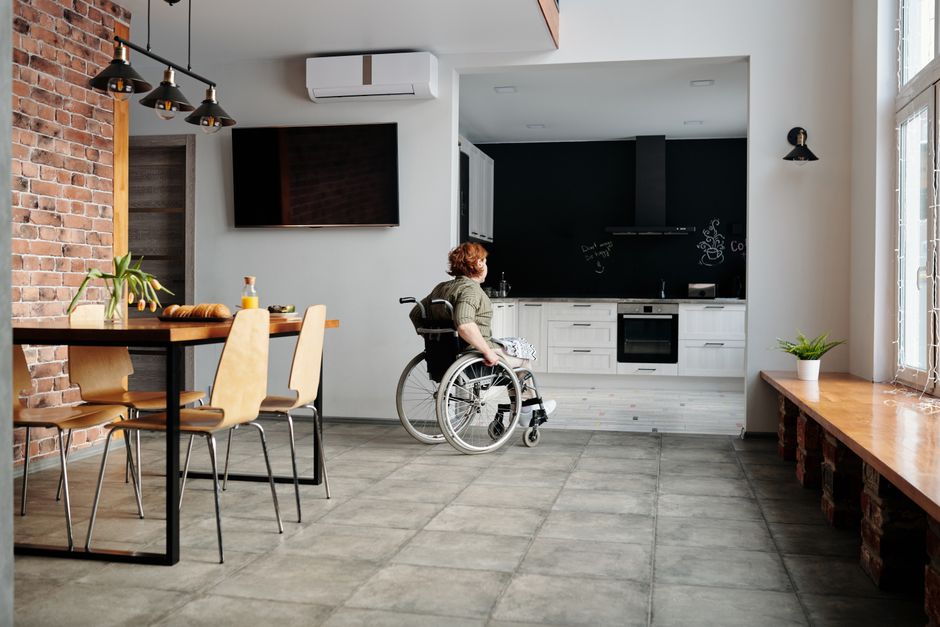
The National Disability Insurance Scheme (NDIS) has fundamentally altered Australia's property investment landscape, and Geelong is emerging as a hotspot for specialist disability accommodation. With median house prices in the region hovering around $520,000–well below Victoria's $680,000 benchmark–savvy investors are recognising the dual appeal: social impact and reliable rental returns.
NDIS-funded disability housing differs markedly from traditional residential investment. Participants receive support coordination funding to pay for modified, accessible accommodation. For property owners, this means tenants with guaranteed income streams backed by government funding, typically resulting in below-market but stable rental yields of 4–6 per cent annually.
Geelong suburbs including Hamlyn Heights, Bellerine Street precincts, and emerging Armstrong Creek are attracting specialist developers. These areas combine affordability with proximity to services: the Geelong Hospital, disability support providers clustered around Pakington Street, and accessible transport infrastructure. A three-bedroom home in Hamlyn Heights, recently valued at $480,000–$510,000, can attract NDIS tenants seeking independence with wraparound care support.
What makes NDIS housing investment distinct? Properties require modifications: wider doorways, accessible bathrooms, level entries, and parking. These upgrades typically cost $15,000–$40,000 but substantially increase rental appeal and compliance with NDIS Quality and Safeguards Commission standards. Many investors recoup costs within 18–24 months through premium rental rates.
The Geelong CBD renewal project has also bolstered accessibility infrastructure, with new developments near Johnstone Park incorporating universal design principles. This benefits both NDIS participants and the broader community.
Legal structures matter. Investors typically register as disability service providers or partner with registered NDIS providers, ensuring participant protections and funding compliance. This layer of regulation–while stricter than traditional rentals–actually protects investor income: tenancies are rarely terminated early, and payment defaults are uncommon.
First-time property investors should approach cautiously. NDIS housing requires compliance knowledge, upfront capital for modifications, and patience securing participant placements. However, for those willing to invest in specialist property management and understanding regulatory requirements, Geelong's relative affordability versus Melbourne creates genuine opportunity.
As national headlines highlight first-home buyer vulnerability, NDIS housing represents a counter-cyclical strategy: lower entry prices, government-backed income, and genuine community value. For Geelong investors seeking stability rather than rapid capital appreciation, it warrants serious investigation.
This article was compiled by AI from the sources linked above and screened before publishing. See our editorial standards.

Spread the word
Have your say
About this article
Published by The Daily Geelong
Daily brief
Enjoyed this? Wake up to Geelong news every morning.
Free, in your inbox before 7am. Weekdays.