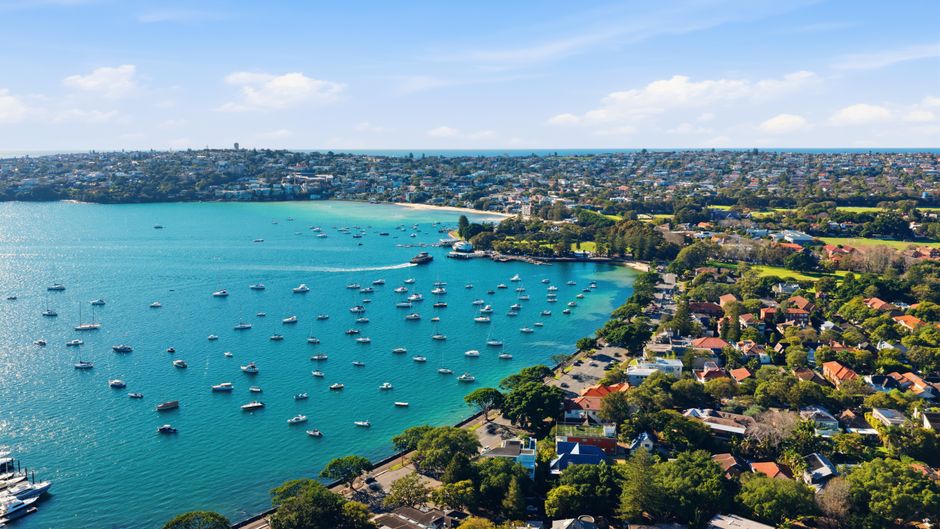
Geelong City Council has quietly released amended planning controls that will fundamentally alter how developers can build across key residential zones, signalling a shift away from boxy, high-density blocks toward more varied streetscapes and lower-rise precincts.
The changes, which take effect across most suburbs by September, require new residential developments above four storeys to include wider setbacks from street frontages, mandatory landscaping buffers, and varied façade treatments. Developers will also face tighter restrictions on parking-dominant ground floors—a nod to concerns about liveability in inner suburbs like Bellerine and Manifold Heights, where median values have climbed to $650,000–$720,000 over three years.
"We're seeing pressure for density, particularly around the Station precinct and along Ryrie Street," said one local agent familiar with the new code. "These rules ensure we're not building ten-storey slabs that ignore the character of established neighbourhoods."
The planning tweaks hit hardest in Armstrong Creek, Geelong's flagship growth zone, where new guidelines now cap ground-plus-six towers in residential villages and mandate tree-lined pedestrian networks. Similarly, the Surf Coast hinterland—suburbs like Winchelsea and Bellerine—face strengthened landscape and setback requirements, protecting rural vistas that underpin lifestyle buyer appeal across a region where beachside properties regularly fetch $900,000-plus.
The CBD renewal precinct around Gheringhap and Malop streets receives a different treatment: developers can build taller (up to eight storeys) but must activate ground-floor retail and include public art contributions. The goal is preventing the shopping mall drift that has plagued other regional centres.
Not all stakeholders are happy. The Housing Industry Association flagged concerns that stricter setbacks and mandatory landscaping will add 8–12 per cent to project costs, potentially pushing entry-level apartments beyond first-home buyers' reach. Given that Geelong's median sits near $680,000—and new apartments typically range $550,000–$650,000—even modest cost increases matter for the segment most vulnerable to rate rises.
Council argues the trade-off is worth it. "Incremental density without design quality erodes amenity and long-term property values," a planning spokesperson noted. "These standards ensure growth that residents actually want to live in."
Developments already approved retain their original permits; new projects lodged from 1 July onward must comply. Expect a six-month rush of applications before the code fully bites.
This article was compiled by AI from the sources linked above and screened before publishing. See our editorial standards.
Spread the word
Have your say
About this article
Published by The Daily Geelong
Daily brief
Enjoyed this? Wake up to Geelong news every morning.
Free, in your inbox before 7am. Weekdays.