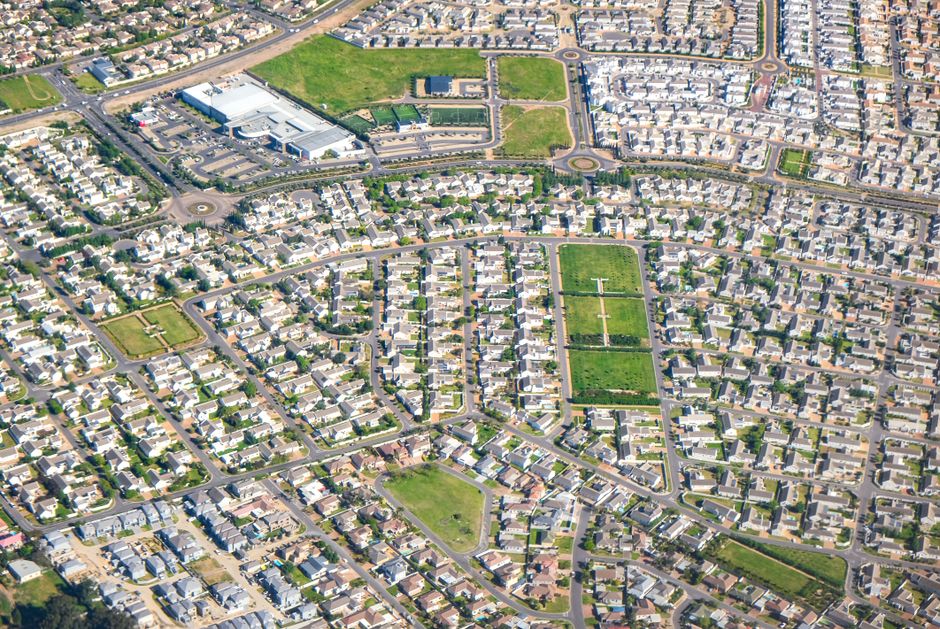
Geelong's property market in 2025 has entered a distinctly new phase. With Victorian median prices hovering around $680,000, the city 75 kilometres south-west of Melbourne is no longer simply a lifestyle alternative—it's become the pragmatic choice for commuters seeking breathing room without the inner-ring mortgage burden.
The shift is most visible in suburbs along the Western Highway corridor. Bellerine, Manifold Heights, and Newtown have seen sustained buyer interest, with three-bedroom weatherboards and modernised brick homes moving between $550,000 and $680,000. These suburbs offer both proximity to the Princes Freeway and genuine walkability to Geelong's CBD precinct, where the recent renewal projects around the Waterfront District have lifted appeal.
Armstrong Creek continues to dominate new development momentum. The master-planned community's infrastructure rollout—with primary schools, shopping precincts, and recreational facilities now operational—has validated early investor confidence. New estates are attracting young families and investor portfolios alike, with townhouses and four-bedroom homes selling from $520,000 upwards.
However, price growth has moderated from the pandemic surge. While Geelong remains $100,000–$150,000 cheaper than equivalent Melbourne commuter belt properties, first-home buyers are increasingly exposed to rate pressures. The sweet spot for entry-level purchases—units near the Waterfront or townhouses in Bellerine—sits between $450,000 and $520,000, still accessible but no longer the bargain of previous years.
The Surf Coast fringe—Torquay, Anglesea, and Winchelsea—continues to operate in a separate market tier, driven by lifestyle migration and holiday rental income. Beachside homes command $750,000–$950,000, reflecting emotional value rather than commuter utility.
What's shifted market dynamics is transport confidence. The V/Line upgrade feasibility studies and persistent talk of faster rail access to Southern Cross have elevated Geelong's perceived connectivity, even as actual journey times remain 80–100 minutes. Agents report buyers factoring in working-from-home flexibility, which softens the commute calculus.
Local economic diversification—including renewable energy sector growth and expanded manufacturing precincts—is reducing pure commuter dependency. This structural change matters: Geelong is becoming less a satellite and more a regional hub with its own employment ecosystem.
For buyers, the 2025 market rewards decisiveness. Suburbs with school catchments, parks like Eastern Park, and genuine community infrastructure are moving faster. The days of buying Geelong purely on price discount are ending. Location and livability now command premium.
This article was compiled by AI from the sources linked above and screened before publishing. See our editorial standards.
Spread the word
Have your say
About this article
Published by The Daily Geelong
Daily brief
Enjoyed this? Wake up to Geelong news every morning.
Free, in your inbox before 7am. Weekdays.