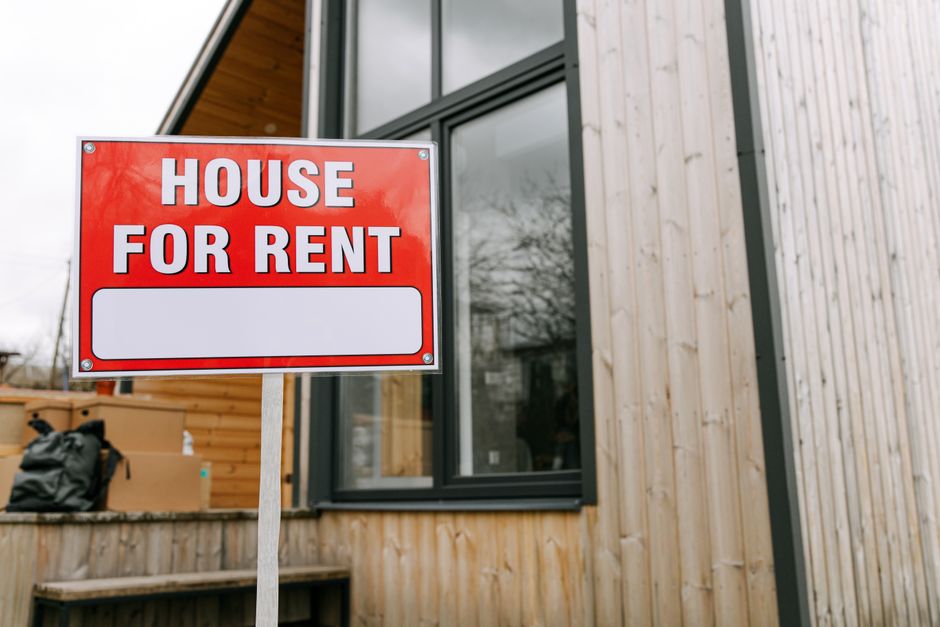
The rule is simple: spend no more than 30% of your gross income on rent. For decades, it's been the gold standard of housing affordability. But in Geelong's increasingly competitive rental market, that threshold is looking more like a distant ideal than practical reality.
A three-bedroom house in established suburbs like Manifesto or East Geelong now rents for $1,800–$2,000 per month. For a dual-income household earning a combined $120,000 annually, that's already pushing 20–24% of gross income. Add utilities, insurance, and transport, and the picture darkens. Single renters, or those on aged pensions supporting themselves in the Geelong area, face an even steeper squeeze.
The 30% rule originated in post-war America when housing costs were more predictable and wages more aligned with rents. It remains the benchmark used by financial advisors, welfare services, and the Victorian Tenancy Union. Yet Geelong's rental vacancy rate has hovered near 1% for months—lower than Melbourne's average—driving competition and prices upward. Properties near transport hubs like South Geelong station, or lifestyle pockets around Bellerine Street in the CBD, command premiums.
Local community organisations report growing pressure. Clients at Inner Geelong Community Health are increasingly coming in with housing stress as the primary concern, not secondary. Those relying on rental assistance or JobSeeker are effectively locked out of the private market altogether.
The counterpoint: waiting to buy isn't realistic either. Victoria's median sits around $680,000, and Geelong—no longer cheap—sits below that but rising fast, especially in growth corridors like Armstrong Creek. First-home buyers need substantial deposits, and rising interest rates have made serviceability calculations brutal.
Some financial advisors have begun advocating for a sliding scale rather than a rigid 30% threshold. In tight markets, 35–40% may be unavoidable. Others suggest the rule needs updating to account for regional variation and household composition.
The uncomfortable truth: Geelong's rental-to-buy gap is narrowing the options available to working people. Those who can't afford 30% of their income on rent often can't save for a deposit either. The result is a locked-out middle class increasingly reliant on family support, longer commutes, or migration out of the city.
For now, the 30% rule persists more as a cautionary marker than an achievable target in Geelong's rental market.
This article was compiled by AI from the sources linked above and screened before publishing. See our editorial standards.
Spread the word
Have your say
About this article
Published by The Daily Geelong
Daily brief
Enjoyed this? Wake up to Geelong news every morning.
Free, in your inbox before 7am. Weekdays.