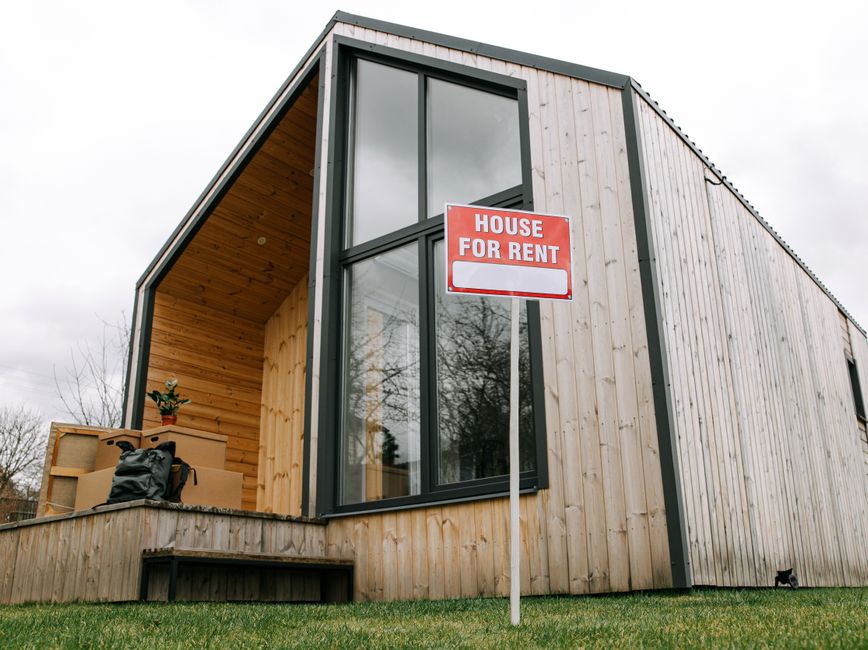
For generations, financial advisors have preached the same mantra: don't spend more than 30% of your gross income on rent. It's simple mathematics designed to keep housing costs manageable and leave room for savings, transport, and living expenses. But in Geelong's tightening rental market, that rule is becoming more fiction than guidance.
A two-bedroom apartment in popular suburbs like Bellerine or South Geelong now commands $380–$420 weekly, pushing towards $1,700 monthly. For a household earning a modest $65,000 annually, that single expense consumes 31–32% of gross income before tax. Once payroll deductions land, the effective burden climbs well past 40%.
The 30% threshold exists for good reason. It's the buffer between housing stability and financial fragility. Renters who exceed it have less capacity to absorb emergencies—car repairs, medical costs, job transitions—without turning to credit or reducing essentials like groceries and healthcare.
Geelong's rental squeeze reflects broader Victorian trends, yet local circumstances compound the problem. Unlike inner-Melbourne suburbs where public transport and job density justify premium rents, Geelong's employment base remains concentrated in manufacturing, health, and retail. Wages haven't kept pace with rental growth. Meanwhile, the pipeline of new builds—from Armstrong Creek to Surf Coast developments—initially promises supply relief but takes years to filter into the mainstream rental market.
The affordability crunch is steering renters into uncomfortable choices. Some are moving further inland, beyond Lara or Corio, accepting longer commutes to Deakin University or the hospital precinct. Others are extending shared housing arrangements well into their thirties. A growing cohort are simply abandoning the dream of home ownership altogether, locking themselves into permanent rental cycles.
Local real estate agents acknowledge the tension. Properties in postcodes like 3214 and 3215 are shifting toward investor-friendly configurations—studios and one-bedrooms—because that's where demand concentrates among price-squeezed renters. The market is sorting itself by affordability, and middle-income households are getting shunted to the margins.
The question facing Geelong isn't whether the 30% rule is outdated—it isn't. Rather, it's whether renters can ever meet it again without significant intervention: faster wage growth, rental regulation, or a genuine loosening of supply. Until one of those shifts, the rule remains a benchmark most aspire to but few achieve.
This article was compiled by AI from the sources linked above and screened before publishing. See our editorial standards.
Spread the word
Have your say
About this article
Published by The Daily Geelong
Daily brief
Enjoyed this? Wake up to Geelong news every morning.
Free, in your inbox before 7am. Weekdays.