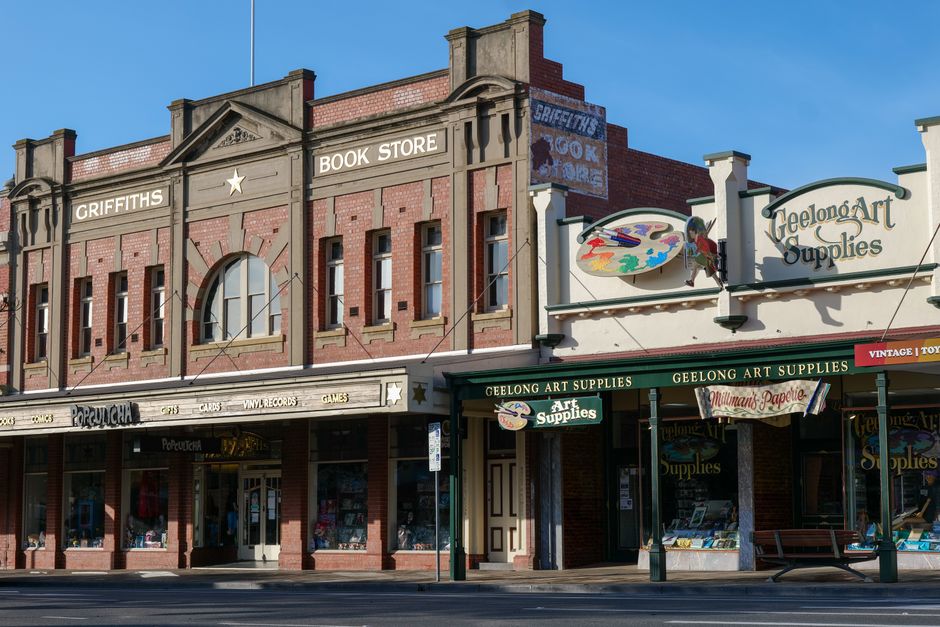
The maths seemed simple: move to Geelong, buy cheaper, build equity faster. Yet for thousands locked out of homeownership altogether, the regional advantage evaporates the moment they sign a lease.
A telling paradox now defines housing affordability across Victoria's growth corridor. Geelong's median house price hovers around $580,000—a genuine $100,000 buffer below Melbourne's $680,000 baseline. Armstrong Creek's emerging estates dangle three-bedroom homes in the $550,000 range, tempting enough to seem achievable. But rent tells the less forgiving story.
Inner Geelong suburbs like Newtown and Manifold Heights, where established character appeal drives buyer demand, command weekly rents of $420–$480 for a three-bedroom house. Move toward the newer fringes—Lovely Banks,Ount Duneed—and you're looking at $380–$420. Compare this to Melbourne's inner-ring equivalents, where the same property could fetch $520–$580 weekly. The gap appears meaningful, perhaps 15–20 per cent cheaper. Except it doesn't matter if you can't afford either.
The crunch emerges in the ratio itself. In Melbourne's inner suburbs, median incomes support a rent-to-income ratio that, while stretched, remains within accepted benchmarks. Geelong workers—many earning $60,000–$75,000 annually in healthcare, manufacturing and service sectors—face proportionally higher rental stress. A $450 weekly rent on a $65,000 salary consumes 36 per cent of gross income before tax. That's unsustainable by any lending standard, let alone lived reality.
Economists point to a structural mismatch: Geelong attracts renters priced from Melbourne's market, but local wage growth hasn't matched migration demand. The Geelong Chamber of Commerce notes that while the city's employment base has diversified, wage premiums in growth sectors remain modest compared to the capital.
For prospective buyers, regional affordability briefly dazzles. First-home deposit schemes and lower entry prices mean qualifying for mortgages becomes feasible where Melbourne dreams seemed impossible. But the rental market—crowded by people caught in exactly that affordability trap—has inflated faster than wages, and certainly faster than purchase prices have fallen relative to income.
The real estate narrative around Geelong rightly celebrates its liveability credentials: the waterfront precinct, Kardinia Park's cultural offerings, proximity to Surf Coast escapes. Those attractions are genuine and priced accordingly. But they've also attracted a renters' market with fewer degrees of freedom than the buyer's market below it.
For workers weighing relocation to Geelong, the arithmetic demands scrutiny beyond headline price tags. Lower purchase prices matter only if you can purchase. For renters, the regional equation remains stubbornly unchanged: paying more than you'd like for less space than you need.
This article was compiled by AI and screened before publishing. See our editorial standards.

Spread the word
Have your say
About this article
Published by The Daily Geelong
Daily brief
Enjoyed this? Wake up to Geelong news every morning.
Free, in your inbox before 7am. Weekdays.