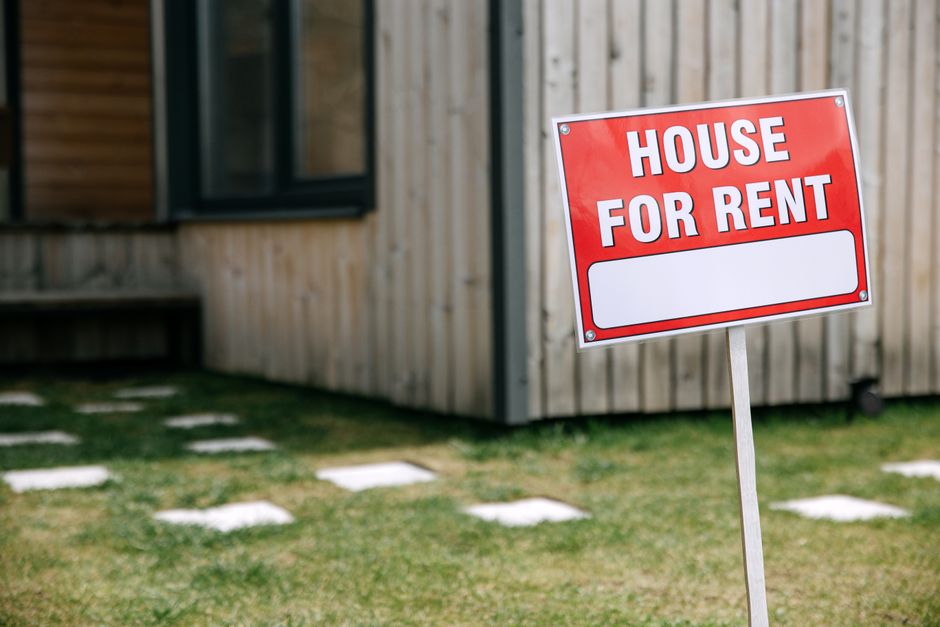
For Geelong renters caught between rising weekly payments and the dream of homeownership, the numbers are finally starting to make sense—but only if you move fast.
A property affordability shift is quietly reshaping the rental-versus-buyer equation across Greater Geelong, with median house prices hovering around $650,000 compared to Victoria's $680,000 benchmark. For renters paying $400–$450 per week in established suburbs like Bellerine, Manifold Heights and Newtown, the maths increasingly favours securing a mortgage over indefinite tenancy.
"We're seeing first-home buyers wake up to the fact that their rent is higher than potential loan repayments," says one local real estate analyst tracking the shift. "In suburbs within 15 minutes of Geelong CBD, you can service a $500,000 loan for less than $420 per week."
The Armstrong Creek growth corridor has amplified this trend. New estates in Charlemont and Armstrong Creek itself are attracting buyers who might otherwise have remained renters, with off-the-plan properties offering more predictable pathways to ownership than the tight rental market currently strangling Adelaide and parts of Brisbane.
However, the rental pressure remains acute for those without deposit savings. While purchase affordability has improved relative to Melbourne, Geelong's median rental market has tightened considerably. A two-bedroom unit on Little Fyansford Street in Manifold Heights now commands $420–$450 weekly—a jump of nearly 8 per cent year-on-year.
The tension reflects a broader pattern emerging across Australia's regional property markets: renters are increasingly disadvantaged compared to those able to access home loans, even as interest rates stabilise. First-home buyer schemes and stamp duty concessions in Victoria provide additional leverage for Geelong purchasers, yet the 5–20 per cent deposit hurdle remains the critical barrier.
For investors and developers, the divergence signals opportunity. Rental yields remain competitive in Geelong compared to Melbourne, particularly in precincts like Bellerine and South Geelong, where $1.2 million investor portfolios can generate 4.2–4.8 per cent annual returns alongside capital growth.
The window for renters to transition to buyers appears to be closing. As more first-home buyers move into the market—drawn by the rent-versus-mortgage crossover—competition will intensify. Suburbs like Newtown and Manifold Heights, currently affordable relative to Melbourne, are likely to experience accelerated price growth as Geelong's reputation as a liveable, value-conscious alternative solidifies.
For renters still on the fence, the message is clear: delay may cost more than the deposit itself.
This article was compiled by AI from the sources linked above and screened before publishing. See our editorial standards.

Spread the word
Have your say
Sources
About this article
Published by The Daily Geelong
Daily brief
Enjoyed this? Wake up to Geelong news every morning.
Free, in your inbox before 7am. Weekdays.