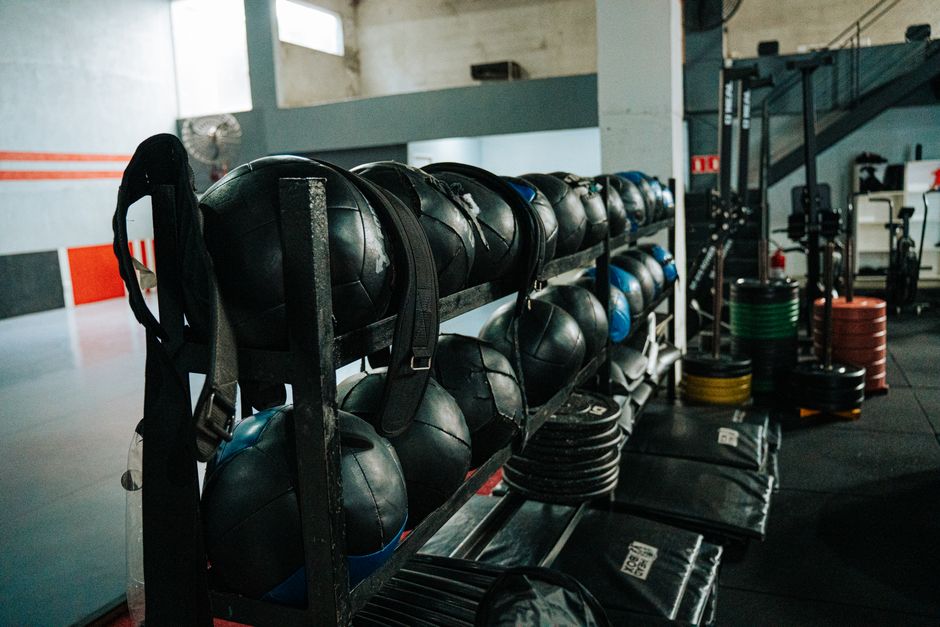
When the Geelong Football Club restructured its strength and conditioning department earlier this year, few anticipated the ripple effect it would create across Geelong's entire gym culture. Yet six months into their comprehensive training philosophy shift, the club's renewed emphasis on evidence-based conditioning has sparked genuine interest among local fitness professionals and athletes seeking to emulate the methods underpinning the Cats' competitive edge.
The catalyst came following last season's finals campaign. Club officials identified gaps in periodisation and recovery protocols, leading to the recruitment of specialists experienced in periodised strength cycles—the structured, progressive training blocks that prioritise different physical adaptations across the competition calendar. It's a departure from traditional "always heavy, always hard" approaches that dominated AFL conditioning for decades.
Peak Performance Gym on Gheringhap Street reports a 34% increase in memberships among serious athletes since March, with facility manager noting "significantly more inquiry about structured programming and peak/taper cycles." Similarly, CrossFit Geelong in the Bellerine precinct has introduced dedicated periodisation workshops, attracting local netballers, rugby union players, and cricket athletes alongside general fitness enthusiasts.
"The Cats effect is real," says Dr Sarah Chen, exercise physiologist at Geelong Sports Medicine Centre on Gheringhap Road. "When a club of that calibre publicly commits to scientific training methodology, it legitimises what we've been advocating for years. People want what works at the elite level."
Local university strength coaches have noted particular interest in three Cats-inspired methodologies: conjugate periodisation (varying intensity and volume strategically), velocity-based training metrics, and individual readiness monitoring. The club's transparent approach—publicly discussing their GPS data integration and recovery protocols—has demystified elite training for Geelong's broader athletic community.
Commercial gyms report average membership costs of $25-$35 weekly, with specialised periodisation coaching adding $80-$120 per session. For serious athletes, the investment reflects the Cats' investment in scientific rigour over intuition.
The broader fitness industry benefits too. Personal trainers throughout Geelong are upskilling in periodisation frameworks. Bend Fitness in South Geelong now offers quarterly "training block" consultations, capitalising on community demand for structured approaches rather than ad-hoc programming.
What's remarkable isn't merely increased gym attendance—it's the philosophical shift toward treating fitness training with the same systematic rigour that characterises other pursuits. The Cats' public commitment to strength science has effectively validated what serious athletes have long understood: that consistency, structure, and evidence matter profoundly.
For Geelong's fitness community, the Cats' transformation represents something beyond sport. It's permission to train smarter, not just harder.
This article was compiled by AI from the sources linked above and screened before publishing. See our editorial standards.
Spread the word
Have your say
About this article
Published by The Daily Geelong
Daily brief
Enjoyed this? Wake up to Geelong news every morning.
Free, in your inbox before 7am. Weekdays.