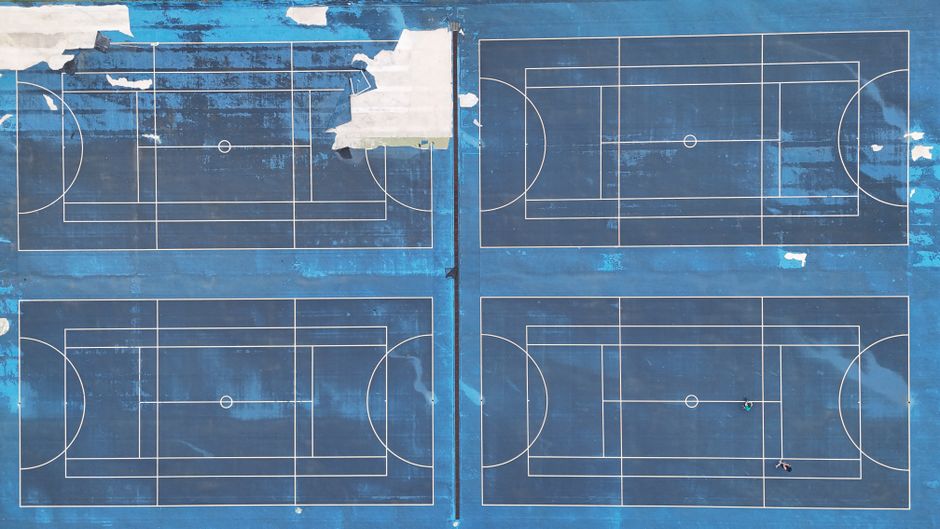
Geelong's thriving amateur sport scene is booming—but its ageing facilities are struggling to keep pace. With participation in recreational leagues up 23 per cent since 2023, clubs across the city are grappling with overcrowded schedules, maintenance backlogs, and a shortage of quality grounds that threatens to cap further growth.
The pressure is most acute across traditional venues. Kardinia Park, long the centrepiece of Geelong's sporting infrastructure, now hosts 14 separate competition nights weekly during peak season. The Eastern Gardens precinct in East Geelong, home to multiple cricket and tennis clubs, operates at near-total capacity most weekends. Meanwhile, suburban grounds in Bellerine and Newtown are reporting waiting lists for winter competitions.
"We're turning away junior teams," admits one local netball association convenor. Facility availability has become the limiting factor preventing leagues from expanding, particularly for emerging sports like futsal and modified touch football, which require specialised court infrastructure.
The situation reflects broader challenges facing amateur sport nationally. Geelong's network of 40-plus active clubs collectively serves over 8,000 players across football, cricket, netball, tennis, and emerging codes. Yet many rely on grounds dating to the 1970s and 1980s, with surface maintenance and changing facility standards lagging behind demand.
The Geelong City Council's 2024 Sport and Recreation Strategy identified $12.7 million in required upgrades across priority venues, including new floodlighting at Norlane Reserve and resurfacing work at the Pakington Street ovals. However, only $3.2 million has been allocated to date, leaving facility managers to fundraise independently—a task that diverts resources from operations.
Private operators have begun filling gaps. Three commercial indoor sports facilities opened in Waurn Ponds and Bellerine in recent years, offering courts for hire at $35–$55 per hour. This addresses supply constraints but creates equity questions: players in outer suburbs now travel 20 minutes or more to access competition-grade facilities.
Club administrators emphasise that investment in infrastructure directly translates to participation. Venues with upgraded change rooms, improved parking, and modern lighting attract new members at twice the rate of outdated grounds. The data supports them: clubs at recently upgraded sites report 18 per cent higher retention among junior players.
As Geelong's population grows—projections suggest 10,000 new residents by 2030—the infrastructure deficit will only widen. Unless local councils and state government prioritise facility upgrades, the city risks capping recreational sport participation precisely when community demand suggests the opposite trajectory.
This article was compiled by AI from the sources linked above and screened before publishing. See our editorial standards.
Spread the word
Have your say
About this article
Published by The Daily Geelong
Daily brief
Enjoyed this? Wake up to Geelong news every morning.
Free, in your inbox before 7am. Weekdays.