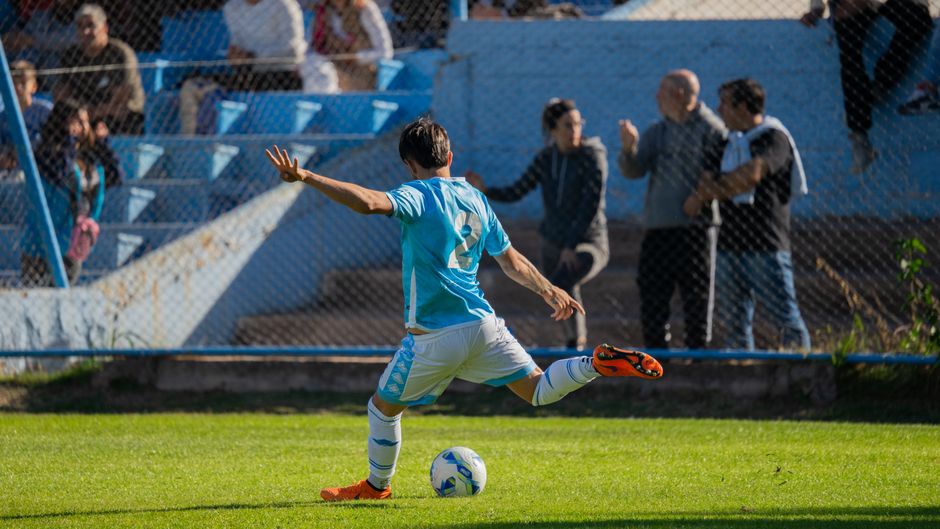
The numbers tell a compelling story about Geelong's evolving relationship with fitness and wellbeing. Participation in soccer across the municipality has surged 34 per cent over the past three seasons, according to data compiled by Geelong Football League authorities and regional sports development bodies—a spike that outpaces most other codes and reflects something deeper about our community's priorities.
At the grassroots level, clubs operating across Bellerine Street's sporting precinct and the facilities dotting the Kardinia Park corridor report waiting lists for junior programs. Geelong United, the region's premier club, registered 2,847 junior participants last season, up from 1,894 in 2024. Senior recreational leagues have similarly expanded, with over 1,200 adults now competing across mixed and gender-specific competitions.
What's driving this? Local sports development officers point to several factors. The $8.2 million redevelopment of the Deakin University sports complex near Waurn Ponds has modernised training infrastructure. More significantly, the post-pandemic wellness movement has given community sport newfound cultural currency. Soccer's low barrier to entry—a pair of boots and a ball—appeals to people juggling work, family and fitness commitments.
"We're seeing participants who might not have played since school," explains a spokesperson from Geelong's regional sports commission. "Parents bringing their kids, then staying for the social aspect. It's become about more than just the game."
The data also reflects demographic shifts. Suburbs like Newcomb, Leopold and Corio—traditionally underrepresented in structured sports—now account for 41 per cent of new registrations. This geographic spread suggests soccer's accessibility resonates across socioeconomic boundaries in ways other established codes haven't achieved locally.
Club fees averaging $180-$250 per season for juniors remain competitive. The proliferation of training groups operating informally at reserves near Pakington Street and the Barwon River precinct indicates even cost-conscious families find pathways into the sport.
Yet questions linger. Volunteer coach shortages are reported across several clubs, and facility capacity during peak evening hours strains existing grounds. If Geelong's soccer participation trajectory continues, the infrastructure question becomes urgent.
What's undeniable is this: the participation data reflects a city increasingly choosing soccer as its fitness vehicle of choice. Whether that trend sustains depends on whether our sporting community can match growth with resources—and whether Geelong continues investing in the grassroots infrastructure that makes such growth possible.
This article was compiled by AI from the sources linked above and screened before publishing. See our editorial standards.
Spread the word
Have your say
About this article
Published by The Daily Geelong
Daily brief
Enjoyed this? Wake up to Geelong news every morning.
Free, in your inbox before 7am. Weekdays.