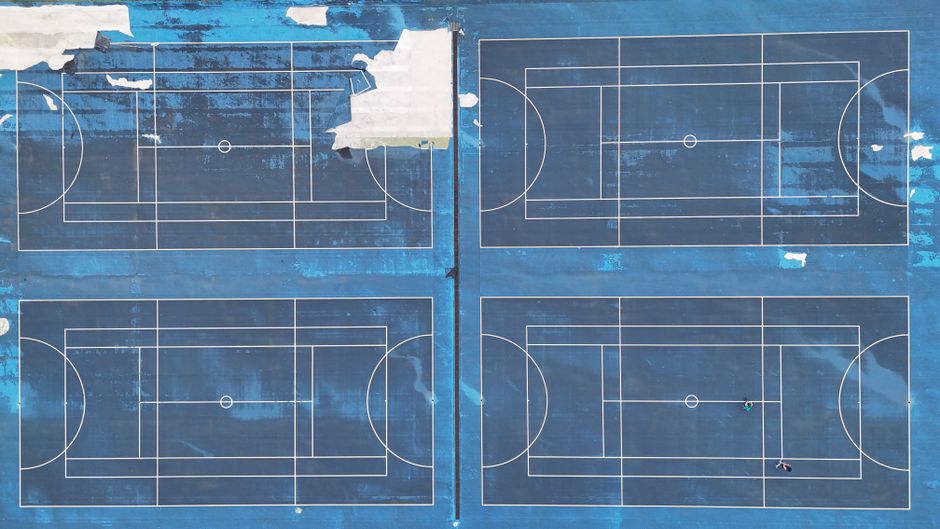
Geelong's amateur sports ecosystem is thriving on the paddock, but behind the scenes, a infrastructure crisis is quietly threatening the city's recreational foundation. With participation in local leagues up nearly 18 per cent over the past three years, the venues and facilities supporting thousands of weekend warriors are buckling under demand.
The Kardinia Park precinct remains the jewel in Geelong's crown, hosting everything from VFL reserves to community netball and soccer. Yet even this flagship venue struggles with congestion during peak winter months. Meanwhile, grassroots clubs across suburbs like Newtown, Bellerine, and Highton are grappling with ageing infrastructure that hasn't seen meaningful investment in over a decade.
"We're running three senior teams and two reserves sides out of facilities built in 1987," said one administrator from a prominent local football club, speaking on the condition of anonymity. "The change rooms flood whenever there's heavy rain. We've had to hire portable facilities three times this year."
The challenges extend beyond football. East Geelong's netball precinct on Pakington Street, which services approximately 600 players across fifteen clubs, operates with only two full-sized courts. During winter, scheduling becomes a logistical nightmare, with some clubs training at 6 am to secure court time.
Costs have become prohibitive for many smaller organisations. Ground hire fees at council-managed venues have climbed 23 per cent since 2022, forcing some amateur clubs to increase membership fees or trim team numbers. A standard Saturday fixture booking at most Geelong ovals now runs between $180 and $280.
The City of Greater Geelong has acknowledged the capacity shortfall. A feasibility study commissioned last year identified $47 million in required facility upgrades across twelve priority venues. However, budget constraints mean staged implementation remains years away.
Local cricket clubs face their own predicament. The Geelong Cricket Association manages pitches across suburban grounds that require expensive pitch renovation cycles, yet funding remains tight. Several clubs have reduced their playing season or consolidated competitions to cope.
What's remarkable is that despite these infrastructure headwinds, participation continues climbing. New migrant communities in suburbs like Norlane and Corio have embraced local sports, with soccer and futsal demand particularly strong. Yet the facilities struggle to accommodate this enthusiasm.
For Geelong's amateur sports sector to sustain its current momentum—and realise its genuine potential—meaningful investment in venues and infrastructure must follow participation. Without it, the city risks watching its grassroots sporting culture falter precisely when it's most vibrant.
This article was compiled by AI from the sources linked above and screened before publishing. See our editorial standards.
Spread the word
Have your say
About this article
Published by The Daily Geelong
Daily brief
Enjoyed this? Wake up to Geelong news every morning.
Free, in your inbox before 7am. Weekdays.