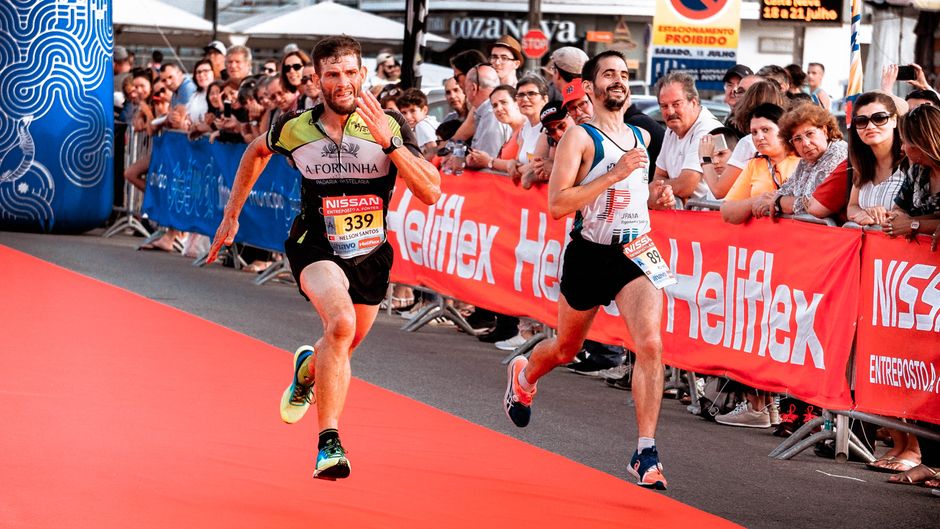
On Tuesday mornings, before most of Geelong wakes, a cluster of runners gathers near the Kardinia Park precinct. They're not training for Olympic glory. They're part of something quieter, more durable: a grassroots movement that has quietly rebuilt endurance sport culture across the city.
The story begins a decade ago, when participation in recreational running and cycling had dipped to historic lows. Local councils noted fewer active participants in Geelong's parks and trails. A handful of volunteers—self-organised, self-funded—started small meetups. By 2019, the Geelong Running Collective had formalised into a registered not-for-profit. Membership was $30 per year. The rest was sweat equity.
Today, that decision ripples across the city. The Collective now hosts weekly running groups across five suburbs: sessions at Eastern Park on Mondays, the Barwon River Trail on Thursdays, and informal gatherings along the Princes Highway cycling path on weekends. Current membership sits at 847—up from 34 five years ago.
The real catalyst came in 2023 when triathlon interest spiked. "We realised our runners wanted to explore cycling and swimming," explains the movement's documentation. Volunteers partnered with local pools and cycling clubs. Entry-level triathlon coaching clinics launched at subsidised rates: $12 per session, or $90 for a 10-week block. Without this accessibility model, many participants couldn't afford the $500-$2000 typical triathlon clubs charged.
Local business has noticed. Bike shops along Moorabool Street report 40% year-on-year growth in recreational gear sales. Running shoe retailers have expanded. Three new café franchises have opened near popular training routes, betting on the pre-dawn and weekend athlete crowds.
The infrastructure investment hasn't been glamorous. Volunteers have maintained the Barwon Heads trail network, installed water stations at Bellerine Park, and secured a dedicated training facility at Deakin University's athletics track. State government grants—modest at $15,000-$25,000 annually—have supplemented community fundraising.
By 2026, Geelong's grassroots endurance movement has spawned genuine outcomes. Last year, three local athletes qualified for national triathlon competitions. Youth participation in running clubs increased 160% in three years. A waiting list now exists for beginner cycling courses.
No celebrity athletes, no corporate naming rights, no stadium lights. Just neighbours deciding that fitness belonged to everyone, and then building the infrastructure to prove it. The movement's annual community fun run—free entry, last Saturday of June—attracts over 2,000 participants. It's the clearest measure of success: a city remembering how to run together.
This article was compiled by AI from the sources linked above and screened before publishing. See our editorial standards.
Spread the word
Have your say
About this article
Published by The Daily Geelong
Daily brief
Enjoyed this? Wake up to Geelong news every morning.
Free, in your inbox before 7am. Weekdays.