Geelong's reputation as a major sporting city rests not simply on the passion of its fans, but on the quality of facilities and infrastructure that support athletes at every level. A sprawling network of venues across the region—from the iconic Kardinia Park in South Geelong to the growing facilities at Deakin University's Waurn Ponds campus—demonstrates the city's commitment to excellence in sport.
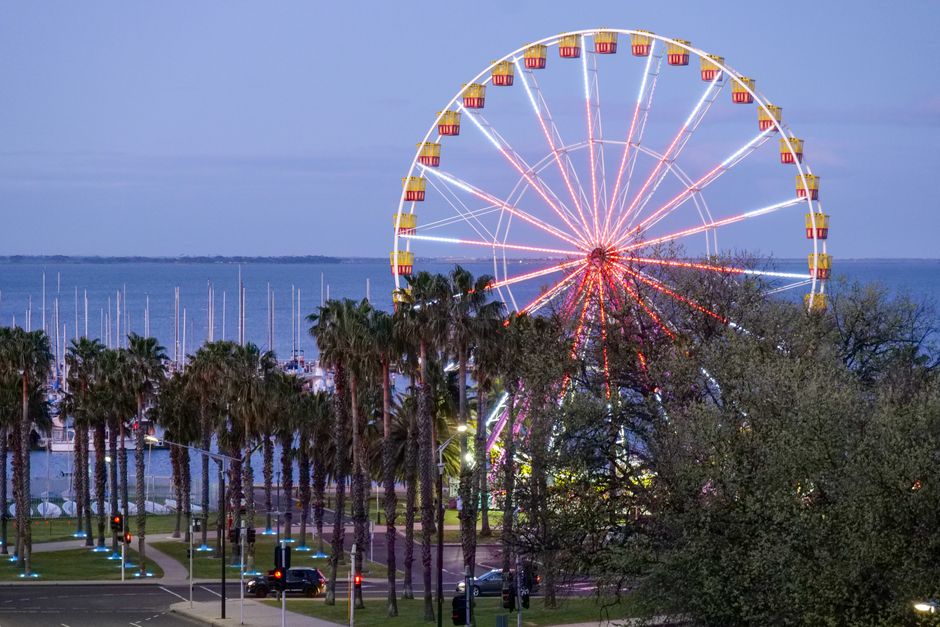
The waterfront precinct remains central to this vision. With venues positioned within easy reach of Corio Bay and the revitalised foreshore, athletes and visitors benefit from world-class amenities alongside recreational opportunities. Skilled Oval, nestled near the city centre, continues to host significant local matches, while the nearby leisure facilities on the Esplanade provide training grounds for emerging talent.
Investment in suburban infrastructure has also been substantial. Bellerine Street and the surrounding neighbourhoods now host modern clubrooms and training facilities for football and netball clubs that draw participation from thousands of locals each season. The Northern Suburbs Sporting Complex represents the kind of multipurpose facility becoming increasingly essential—offering football ovals, cricket nets, and social spaces that serve as genuine community hubs.
Deakin University's contribution cannot be overlooked. The university's athletics track and sporting precinct at Waurn Ponds have elevated Geelong's capacity to host state and national events. With recent upgrades to lighting and spectator facilities, the venue now accommodates competitions that previously required travel to Melbourne or beyond.
Yet challenges remain. Maintaining aging infrastructure while funding new facilities stretches local budgets. The cost of hosting major events—insurance, security, maintenance—continues to climb. Several suburban ovals still lack adequate change room facilities, a gap that particularly affects women's and junior sport development.
Recent council planning discussions have flagged the need for a comprehensive audit of sporting facilities across the municipality. Such clarity could help prioritise funding and identify gaps. The Geelong Regional Sports Commission has been vocal about ensuring equitable access to quality infrastructure across all postcodes.
As the 2026-27 season approaches, Geelong stands at an interesting crossroads. The city's venues have attracted growing numbers of state-level competitions, bringing economic activity and raising the profile of local clubs. But sustaining this momentum requires ongoing investment and thoughtful planning.
The infrastructure supporting sport in Geelong tells a story of a city that takes its athletic culture seriously—even if that commitment is sometimes stretched thin by competing demands. For athletes, clubs, and supporters, the quality of these facilities remains fundamental to the city's continued sporting success.
This article was compiled by AI from the sources linked above and screened before publishing. See our editorial standards.
Spread the word
Have your say
About this article
Published by The Daily Geelong
Daily brief
Enjoyed this? Wake up to Geelong news every morning.
Free, in your inbox before 7am. Weekdays.