A snapshot of participation data across Geelong's fitness sector paints a revealing picture of a community in the grip of a genuine wellness shift. Recent figures from major gym networks operating across the Geelong area show membership growth of approximately 14 per cent over the past 18 months—a rise that extends well beyond typical seasonal New Year surges.
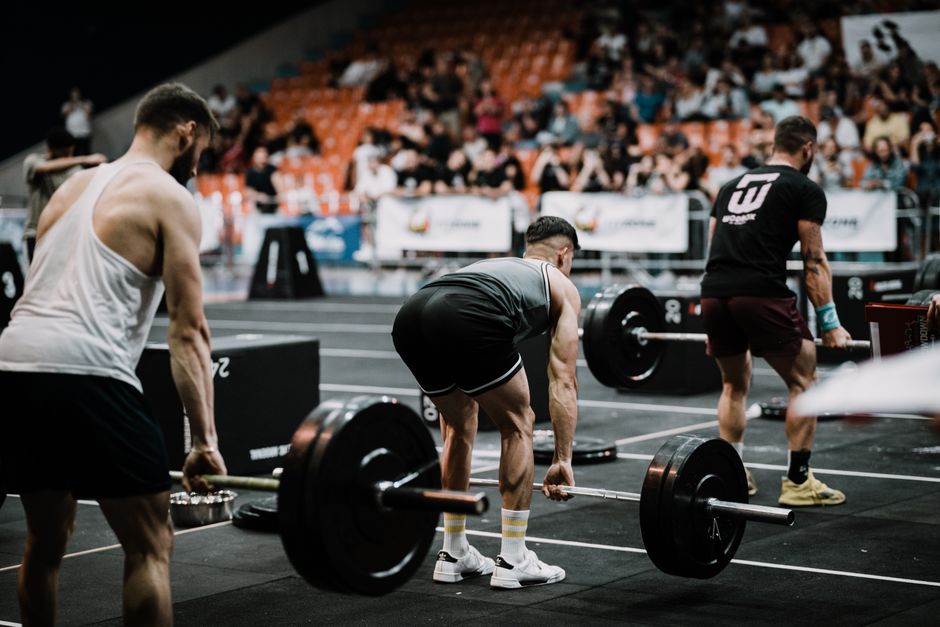
The data tells several compelling stories. Facilities along Gheringhap Street and in the Newtown precinct report their strongest membership bases in five years, with strength and conditioning programs now accounting for roughly 40 per cent of class bookings. This marks a notable departure from the cardio-dominated culture of previous decades. Budget-conscious operators near the Geelong Railway Station have seen particular growth among 18-35 year-olds, suggesting younger residents are prioritising fitness despite cost-of-living pressures.
Perhaps most intriguingly, the numbers reveal distinct geographical patterns. The South Geelong and Bellerine Street corridors show higher uptake of boutique-style training—small group sessions and personalised coaching—while facilities in Manifold Heights and Bell Post Hill attract more traditional gym-goers focused on equipment-based workouts. Average membership costs now range from $45 to $120 monthly, with premium facilities commanding premium prices.
Community fitness centres operated through local councils report something different again: steady, loyal participation rather than explosive growth. These venues, often overlooked in broader fitness conversations, maintain consistent attendance levels with strong retention among older demographics—data suggesting Geelong's approach to fitness spans generations more evenly than popular perception suggests.
The rise of home training technologies has not cannibalised gym attendance as some predicted. Instead, hybrid approaches dominate: members use equipment at home while maintaining gym memberships for specialist equipment, group energy, and community connection. This pragmatism characterises Geelong's fitness mindset.
Notably absent from growth sectors are traditional aerobics classes, which have contracted by roughly 12 per cent. Functional fitness, outdoor training programs, and recovery-focused offerings—yoga, pilates, mobility work—have expanded significantly, indicating participants increasingly view fitness holistically rather than through a purely cardiovascular lens.
What emerges is a portrait of a city maturing in its fitness approach. Geelong's gym culture is no longer about vanity or trend-chasing; it reflects genuine, sustained commitment to health outcomes. The data shows residents treating fitness as infrastructure for wellbeing rather than aesthetic pursuit—a cultural shift worth celebrating as much as any sporting achievement.
This article was compiled by AI from the sources linked above and screened before publishing. See our editorial standards.

Spread the word
Have your say
About this article
Published by The Daily Geelong
Daily brief
Enjoyed this? Wake up to Geelong news every morning.
Free, in your inbox before 7am. Weekdays.