Geelong's coworking sector is entering a critical expansion phase, with operators and tech companies signalling significant investment in new workspace products designed to capture the city's growing remote and hybrid workforce.
The shift reflects broader trends reshaping work across Australia's regional tech hubs. Industry data suggests Geelong's flexible workspace market has grown 34% since 2023, with current occupancy rates hovering around 78%—above the national average of 71%. That demand is prompting ambitious development plans.
Several developments are already in motion. Operators based along Gheringhap Street and near the Geelong CBD are preparing to launch dedicated "industry pods" over the next two quarters—specialised microspaces tailored to specific sectors including advanced manufacturing, digital services, and biotech. These units will range from $400 to $650 monthly, positioning them between traditional hot-desking ($280–$350) and premium private offices ($900+).
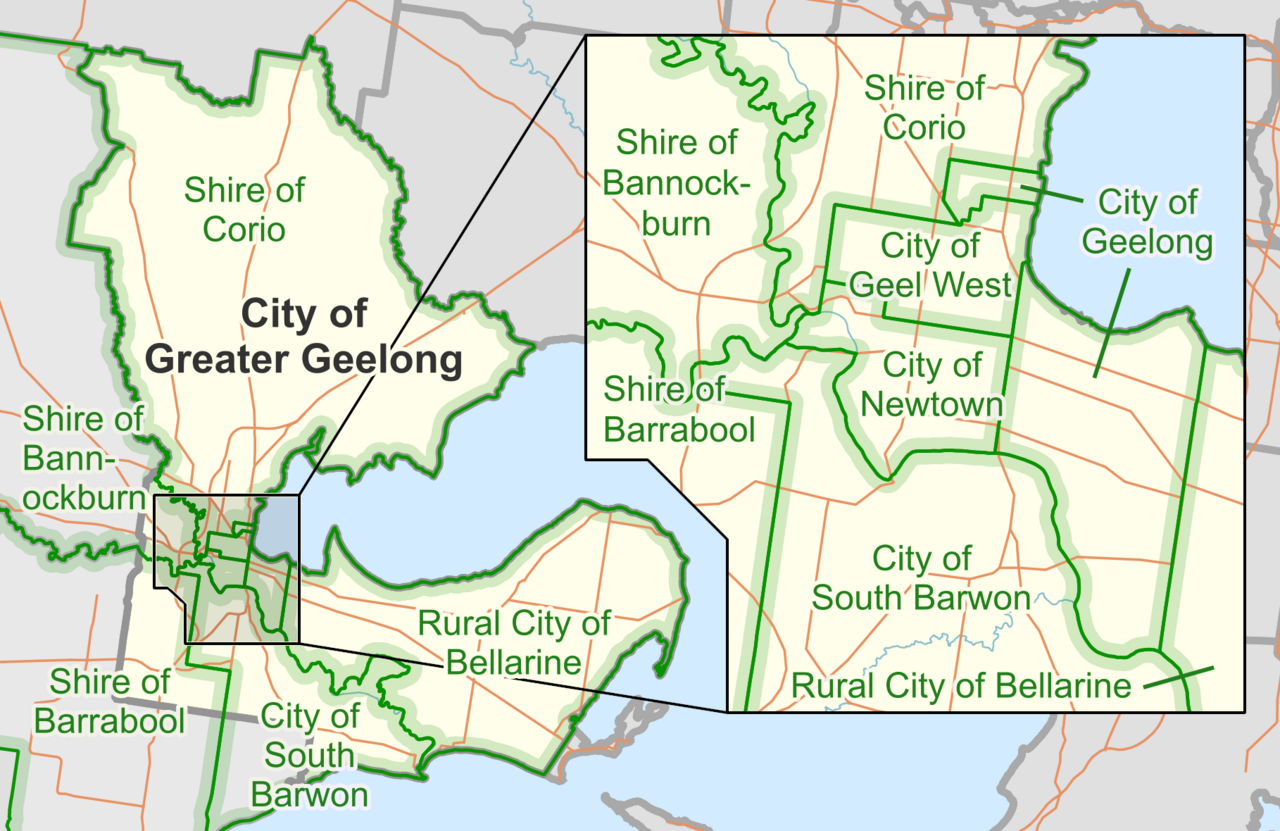
Perhaps more significantly, a consortium of local tech firms and real estate investors has greenlit plans for an integrated "innovation campus" slated for the Newtown precinct by mid-2027. The facility will combine 12,000 square metres of flexible workspace with on-site accelerator support, mentorship networks, and subsidised access for early-stage startups—a model gaining traction in Brisbane and Melbourne but largely absent from Geelong until now.
Digital infrastructure remains a key differentiator. Several Geelong coworking operators are rolling out AI-enhanced space-booking systems and advanced climate control by Q3 2026, responding to feedback from knowledge workers who cite environmental comfort as a priority. One operator has committed to carbon-neutral operations by 2027.
The productivity software layer is shifting too. Emerging tools designed specifically for distributed teams operating across multiple locations are being trialled in Geelong spaces, with analytics dashboards helping operators optimise layout and amenity allocation based on real occupancy patterns rather than assumptions.
Affordability remains contentious. While industry-specific pods represent a middle ground, concerns persist about pricing accessibility for freelancers and sole traders. Several community groups have called for subsidy frameworks similar to those operating in regional hubs across Victoria's Surf Coast.
What's clear: Geelong's coworking future won't simply replicate Melbourne's model. Instead, operators are betting on specialisation, community integration, and purpose-built support ecosystems that acknowledge the city's distinct industrial heritage and emerging tech credentials. The next 18 months will reveal whether that strategy resonates with Geelong's ambitious workforce.
This article was compiled by AI and screened before publishing. See our editorial standards.
Spread the word
Have your say
About this article
Published by The Daily Geelong
Daily brief
Enjoyed this? Wake up to Geelong news every morning.
Free, in your inbox before 7am. Weekdays.