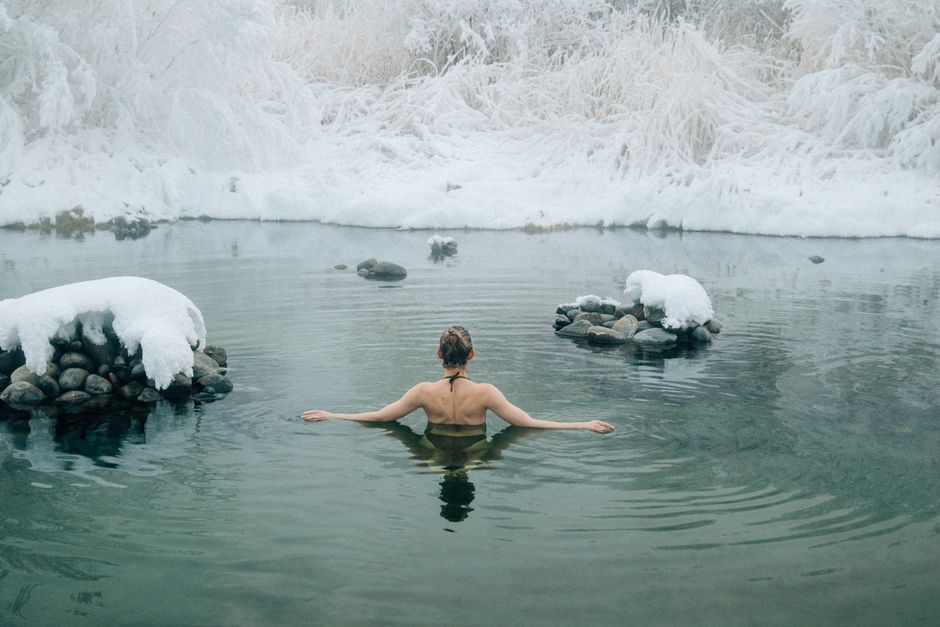
Cold water therapy has moved from niche sports recovery into mainstream wellness, with Geelong residents increasingly curious about ice baths and winter swims. But what does the evidence actually show?
Cold water immersion—typically 10–15 minutes at temperatures below 15°C—triggers several physiological responses. Blood vessels constrict, pushing blood toward vital organs. Heart rate and breathing increase. Once you exit, blood rushes back to muscles, potentially reducing inflammation and soreness. Some research suggests this aids recovery after intense exercise; other studies show minimal difference compared to rest alone.
The mental health angle is equally compelling. Advocates report improved mood, reduced anxiety, and better stress resilience after regular cold exposure. The Barwon River walking trail and Eastern Beach rock pool offer natural settings for curious swimmers, though medical professionals emphasise gradual acclimatisation—not polar plunge diving.
For those considering home ice baths, costs vary significantly. Basic inflatable tubs run $150–$400 via online retailers. Dedicated ice bath units, stocked at some Geelong fitness facilities, can exceed $3,000. A simpler alternative: cold showers, which cost nothing and deliver similar initial benefits.
Who benefits most? Athletes recovering from hard training, people managing chronic inflammation, and those seeking mood regulation often report positive results. However, cold water therapy isn't suitable for everyone. Cardiovascular disease, uncontrolled high blood pressure, and cold urticaria (cold allergies) are contraindications. Pregnant women and people with diabetes should consult Barwon Health services before attempting any cold therapy.
The Geelong Waterfront parkrun community has seen growing interest in post-run cold water habits, with some participants visiting Eastern Beach afterward. Local swimming groups note that winter sea temperatures—currently around 12–14°C—naturally provide cold exposure, though supervision and gradual conditioning remain essential.
Experts stress consistency over intensity. One 60-second plunge delivers less adaptation than regular 3–5 minute sessions over weeks. Breathing techniques matter: controlled, slow breathing during immersion prevents the gasping reflex that can trigger panic.
The bottom line: cold water therapy shows promise for muscle recovery and mental resilience, particularly when combined with other wellness practices. But it's not a substitute for sleep, nutrition, or professional medical care. Start conservatively, listen to your body, and consult your GP if you have health concerns. Geelong's natural water assets—from the Barwon to Eastern Beach—offer accessible ways to explore cold exposure safely, without expensive equipment.
This article was compiled by AI from the sources linked above and screened before publishing. See our editorial standards.
Spread the word
Have your say
About this article
Published by The Daily Geelong
Daily brief
Enjoyed this? Wake up to Geelong news every morning.
Free, in your inbox before 7am. Weekdays.