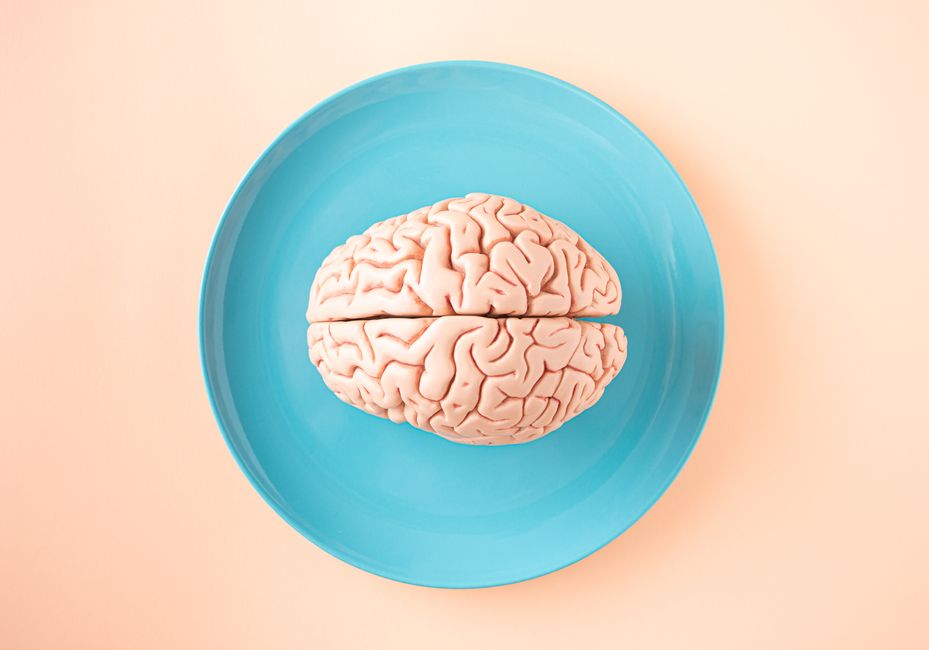
When you sit down to meditate on the grassy banks of the Barwon River or join one of the early morning sessions at Geelong Waterfront parkrun, you're not just clearing your mind. You're actively rewiring your brain.
Neuroscience has spent the past two decades mapping exactly what happens when we practise mindfulness and meditation. The findings are striking: regular meditation doesn't merely feel good—it produces measurable changes in brain structure and function.
Studies using functional MRI scans show that consistent mindfulness practice increases grey matter density in the prefrontal cortex, the region responsible for decision-making, emotional regulation, and self-awareness. Simultaneously, it reduces activity in the default mode network—the brain's "autopilot" system that generates anxiety and rumination when left unchecked. For many Geelong residents juggling work, family, and the pressures of daily life, this neural shift translates to genuine relief.
"What's remarkable," explains the research, "is that these changes can occur within eight weeks of regular practice." That's just two months of commitment. A 20-minute daily meditation habit—achievable during a lunchtime walk along Eastern Beach or before breakfast—can meaningfully alter your neurochemistry.
The science also reveals why meditation affects stress so powerfully. When you meditate, you're activating the parasympathetic nervous system, your body's natural brake pedal. This dampens cortisol production, the primary stress hormone. Over time, regular practitioners develop a lower baseline cortisol level and recover from stress faster than non-meditators.
Geelong-based wellness practitioners and local mental health services increasingly recognize these neurological benefits. Whether you're seeking support through Barwon Health's mental wellbeing programs or exploring independent meditation classes across suburbs like Bellerine Street and the Waterfront precinct, the underlying mechanism remains the same: intentional attention reshapes brain connectivity.
Perhaps most compelling: the benefits aren't limited to a single "type" of meditation. Focused-attention meditation, open-monitoring mindfulness, loving-kindness practices—each activates slightly different neural networks, but all produce measurable structural changes with consistent practice.
The takeaway is simple yet profound. Mindfulness isn't mystical or New Age folklore. It's applied neuroscience. For Geelong residents seeking evidence-based wellness strategies, the research is clear: spending 20 minutes daily training your attention literally builds a more resilient, emotionally balanced brain.
For personalized guidance on meditation or mindfulness practices suited to your individual health needs, consult a local medical professional or registered mental health practitioner in Geelong.
This article was compiled by AI from the sources linked above and screened before publishing. See our editorial standards.
Spread the word
Have your say
About this article
Published by The Daily Geelong
Daily brief
Enjoyed this? Wake up to Geelong news every morning.
Free, in your inbox before 7am. Weekdays.