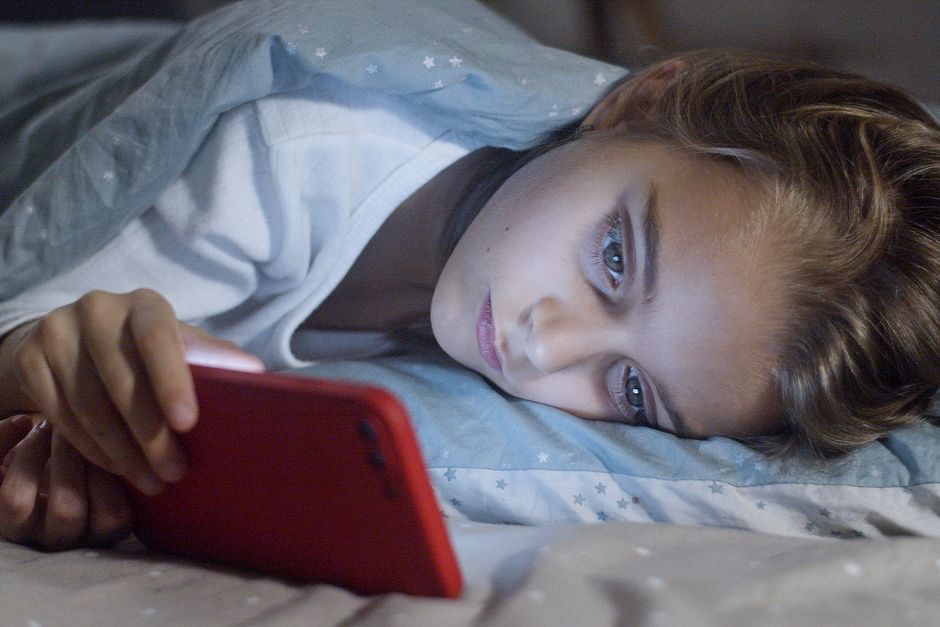
The blue light panic has dominated wellness conversations for years. Switch off your phone an hour before bed, the advice goes, or your sleep will suffer. But recent research paints a more nuanced picture—one that matters for anyone in Geelong trying to improve their rest without ditching their evening routines entirely.
A 2024 meta-analysis examining over 60 studies found that while excessive screen use correlates with poor sleep, the culprit isn't simply blue light. Instead, the timing, type of content, and psychological engagement matter far more. Scrolling through emotionally charged social media at 10 p.m. disrupts sleep differently than reading a news article or checking emails on your phone.
"The research suggests it's less about the light wavelength and more about what your brain is doing," explains the distinction between passive viewing and interactive engagement. When you're endlessly swiping through feeds, your nervous system remains activated. Watching a predetermined video or reading static text creates less stimulation.
For Geelong's shift workers and night-owl professionals—particularly those commuting from suburbs like Bellerine or working irregular hours—this distinction matters. A study from the Journal of Sleep Research found that intentional screen use (like reading digital documents for work) caused less sleep disruption than recreational scrolling, even at similar light exposure levels.
The practical implication? It's not about abandoning screens entirely. Instead, consider your activity's cognitive load. If you're answering work emails or reading articles on your phone before bed, you're likely fine. If you're doom-scrolling or watching algorithmically-driven content designed to keep you engaged, that's when sleep suffers.
For Geelong residents looking to optimise sleep, local options like dawn walks along the Barwon River walking trail or the Geelong Waterfront parkrun can reset your circadian rhythm naturally. Morning light exposure is one of the most evidence-backed sleep interventions available—far more influential than evening screen avoidance.
If you're genuinely struggling with sleep, Barwon Health services offer sleep medicine consultations that can address underlying issues beyond screen hygiene. Sometimes poor sleep reflects stress, sleep apnea, or other factors that no amount of device discipline will fix.
The takeaway: stop catastrophising about your 9 p.m. phone check. Instead, ask yourself what you're actually doing on that screen. If it's absorbing or emotionally reactive content, wind down earlier. If it's passive consumption or work, the research suggests you'll sleep fine. Your sleep quality likely depends far more on consistency, natural light exposure, and stress levels than the glow of your device.
This article was compiled by AI and screened before publishing. See our editorial standards.

Spread the word
Have your say
About this article
Published by The Daily Geelong
Daily brief
Enjoyed this? Wake up to Geelong news every morning.
Free, in your inbox before 7am. Weekdays.