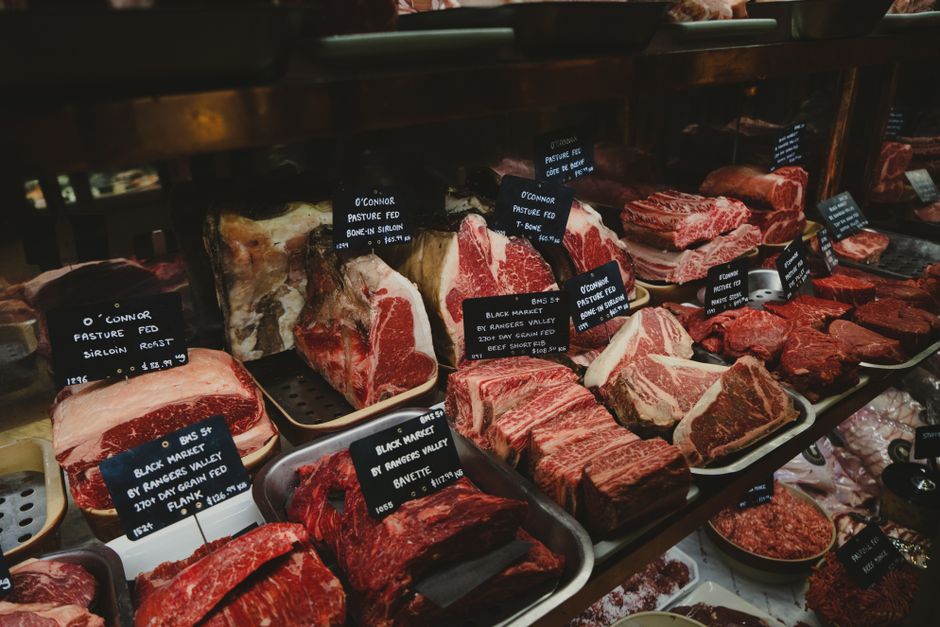
Whether you're reducing meat intake for health, environment or ethics, Geelong's food landscape offers surprisingly diverse protein alternatives. The shift away from meat-centric diets isn't niche anymore—it's mainstream wellness, and local retailers are responding.
Start with the basics: legumes. Chickpeas, lentils and beans remain nutrition's most underrated heroes. A 100-gram serve of cooked lentils delivers 9 grams of protein, plus fibre that keeps you fuller longer. The Good Earth on Moorabool Street stocks organic dried legumes at competitive prices, typically $3–5 per kilogram. For convenience, tinned options at Coles and Woolworths on Myers Street cost around $1.20 per tin—still cheaper than equivalent meat protein.
Geelong's growing café culture has embraced plant-based eating. Walk down Little Malop Street and you'll find multiple venues offering tofu scrambles, tempeh benedicts and chickpea-based bowls. Tofu, often overlooked as bland, is genuinely versatile: firm varieties absorb flavour brilliantly, while silken tofu works beautifully in smoothies. Most supermarkets stock it for $2–4 per 300-gram pack.
Nuts and seeds deserve real estate in your pantry. Almonds (6 grams of protein per ounce), hemp seeds (10 grams per three tablespoons) and pumpkin seeds all clock impressive numbers. Farmers markets at the Geelong Waterfront on weekends offer local producers selling nuts in bulk, reducing packaging waste and often cost.
For Geelong's pescatarians, fish remains an excellent protein source—and we're lucky to have seafood options. The Fishermens Wharf precinct near Eastern Beach stocks sustainable local catch; salmon particularly offers omega-3 fatty acids alongside protein.
Emerging options deserve mention too. Greek yogurt (20 grams protein per 200 grams) has become mainstream; cottage cheese offers similar benefits. Some Geelong retailers now stock newer products like chickpea pasta (8 grams protein per 56-gram serve) and plant-based meat alternatives, though these warrant checking labels—some are heavily processed.
The reality? Optimal protein intake doesn't require meat. Barwon Health services note that Australians typically exceed protein requirements anyway—most people need 0.8 grams per kilogram of body weight daily. Variety matters more than source.
A practical approach: combine incomplete proteins. Rice and beans together create a complete amino acid profile. Hummus on wholegrain bread does similarly. This strategy, rooted in traditional cuisines, proves both economical and nutritionally sound.
Geelong's diverse community already understands this. Visit neighbourhoods like Newtown and you'll find established cultural cuisines centred on plant protein traditions—a free, accessible education in sustainable eating.
The takeaway: protein diversity strengthens both your diet and our food system.
This article was compiled by AI and screened before publishing. See our editorial standards.
Spread the word
Have your say
About this article
Published by The Daily Geelong
Daily brief
Enjoyed this? Wake up to Geelong news every morning.
Free, in your inbox before 7am. Weekdays.